The amps, pedals and accessories I use and recommend for gigging, recording and practice. Use the categories to filter the list.
Filter Gear By Categories
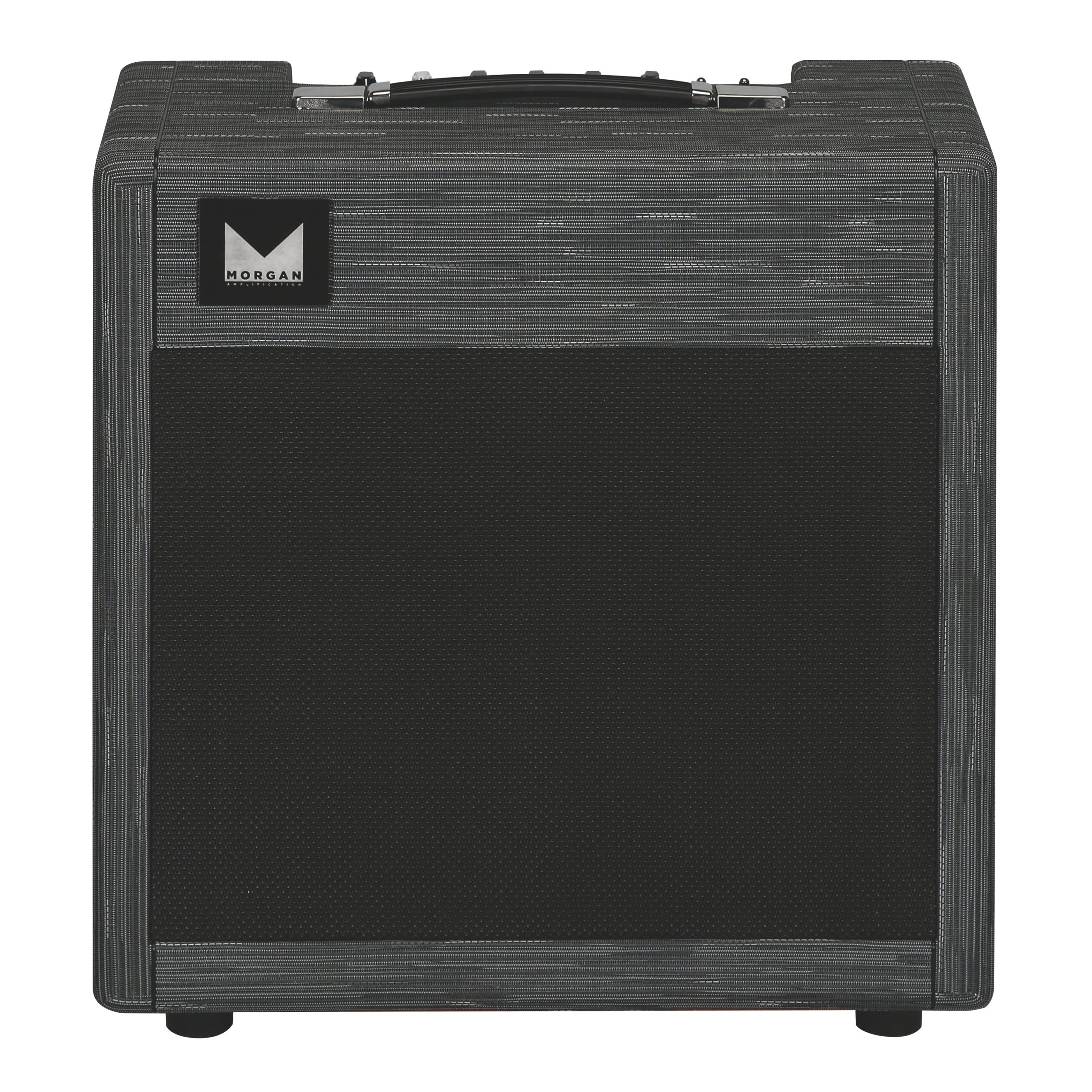
Amp for gigging
For me tube amps are still the best amps for gigging and I can’t recommend the Morgan MVP23 enough.
It has a beautiful clean sound, responds very well to pedals and is small and light.
Maybe best of all, it has a power dial which allows power scaling from 1/4W to a very loud 23W. In other words, you can decrease the power flowing to the speaker without affecting the gain and volume settings. So your tone remains the same even if you need to be at low volume.
Very highly recommended.
Practice amp
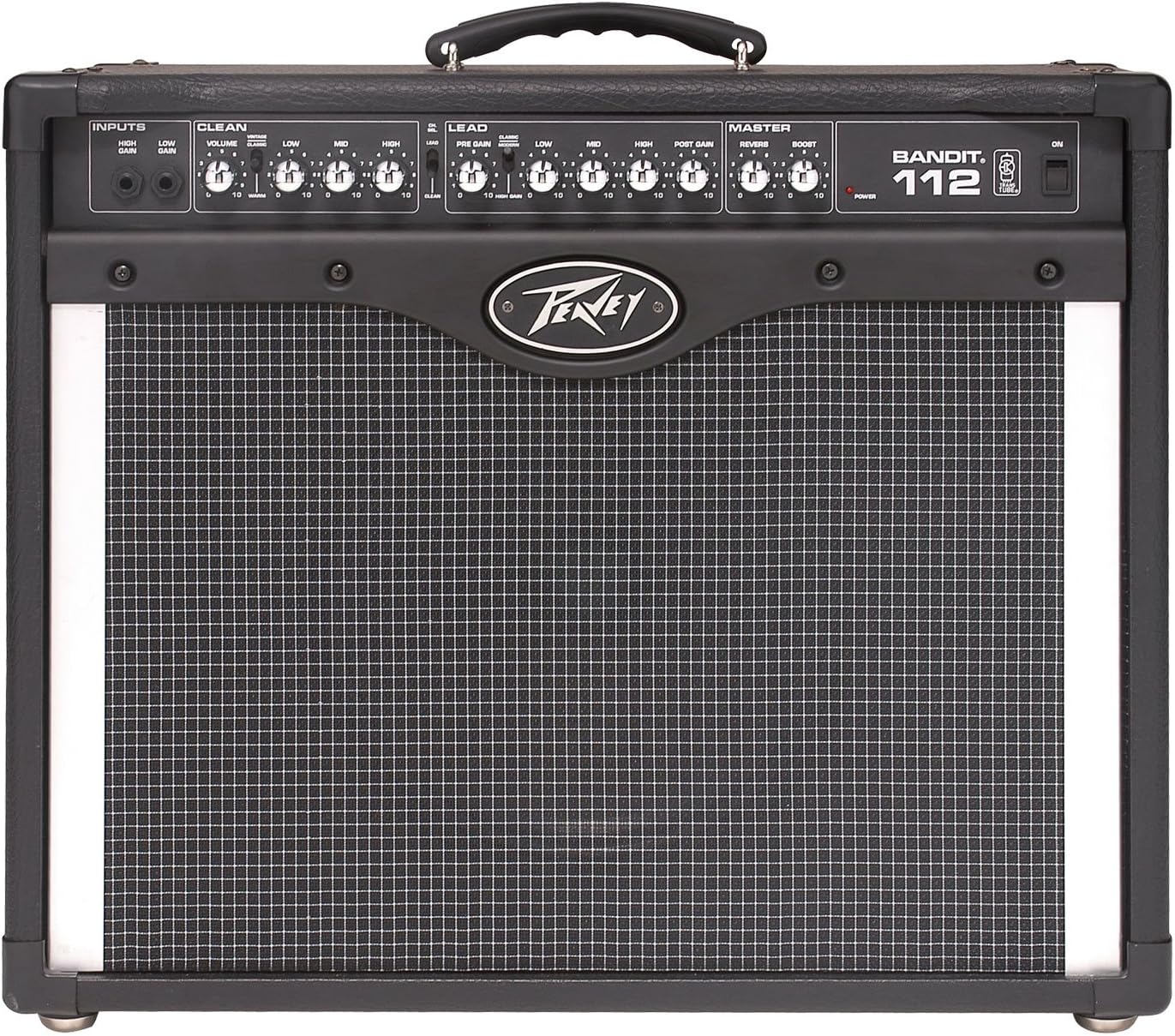
No fancy amp modelling or novelty noises here. But if you want a simple amp suitable for the home, then I recommend this one from Peavey.
The clean and crunch channels are good and there’s more than enough gain for rock soloing. It has built-in reverb and two inputs, so you can plug two guitars into it; very useful for teaching:
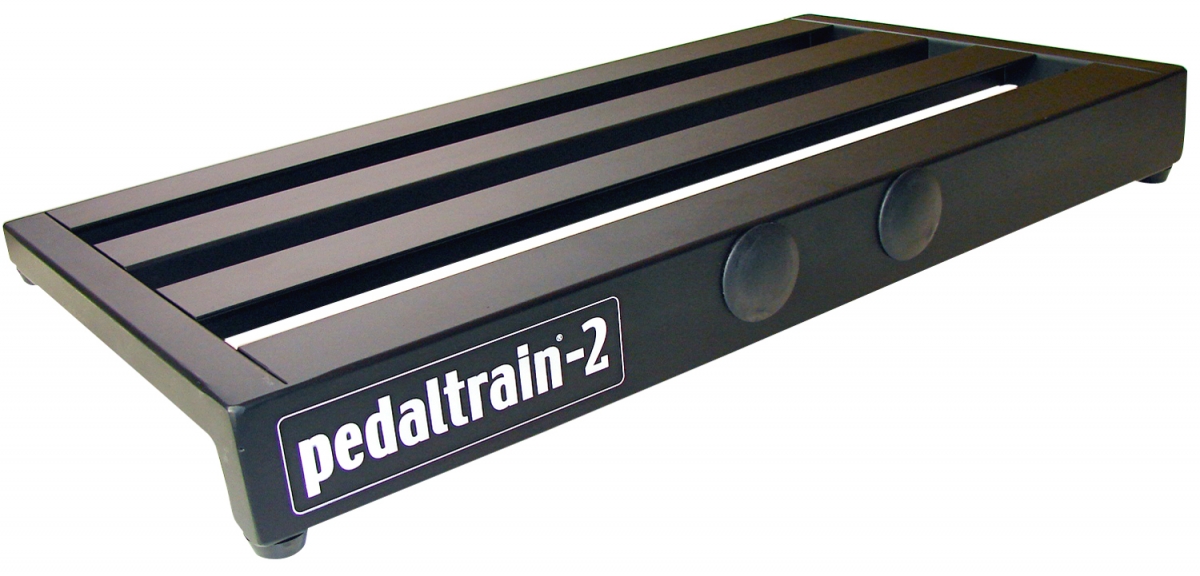
Pedaltrain 2
I highly recommend this pedalboard to any gigging guitarist. It’s built like a tank and big enough for about 12 pedals.
It comes with plenty of heavy duty Velcro, and has space for a power supply underneath the rails, as well as space for all your patch cables. Highly recommended:
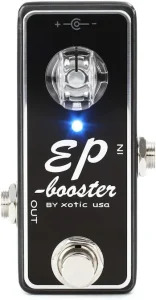
Xotic EP booster
This fabulous pedal changes a nice clean sound into a beautiful one!
It’s officially a boost pedal but the sparkle it introduces is so gorgeous that my advice is to leave it on all the time with gain set to minimum.
If I had to recommend one guitar pedal from the ones on this page, this would be it. A beautiful sound in a very small package:
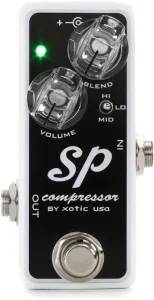
Xotic SP compressor
If you’re looking for a compressor to add to your guitar set-up I recommend the SP. I’ve tried several compressors over the years, and found this to be the best one. It’s versatile and takes up very little room on your pedalboard.
I have this first in my effects chain and it’s on all the time set quite low, giving me a more even clean sound than I would otherwise have:
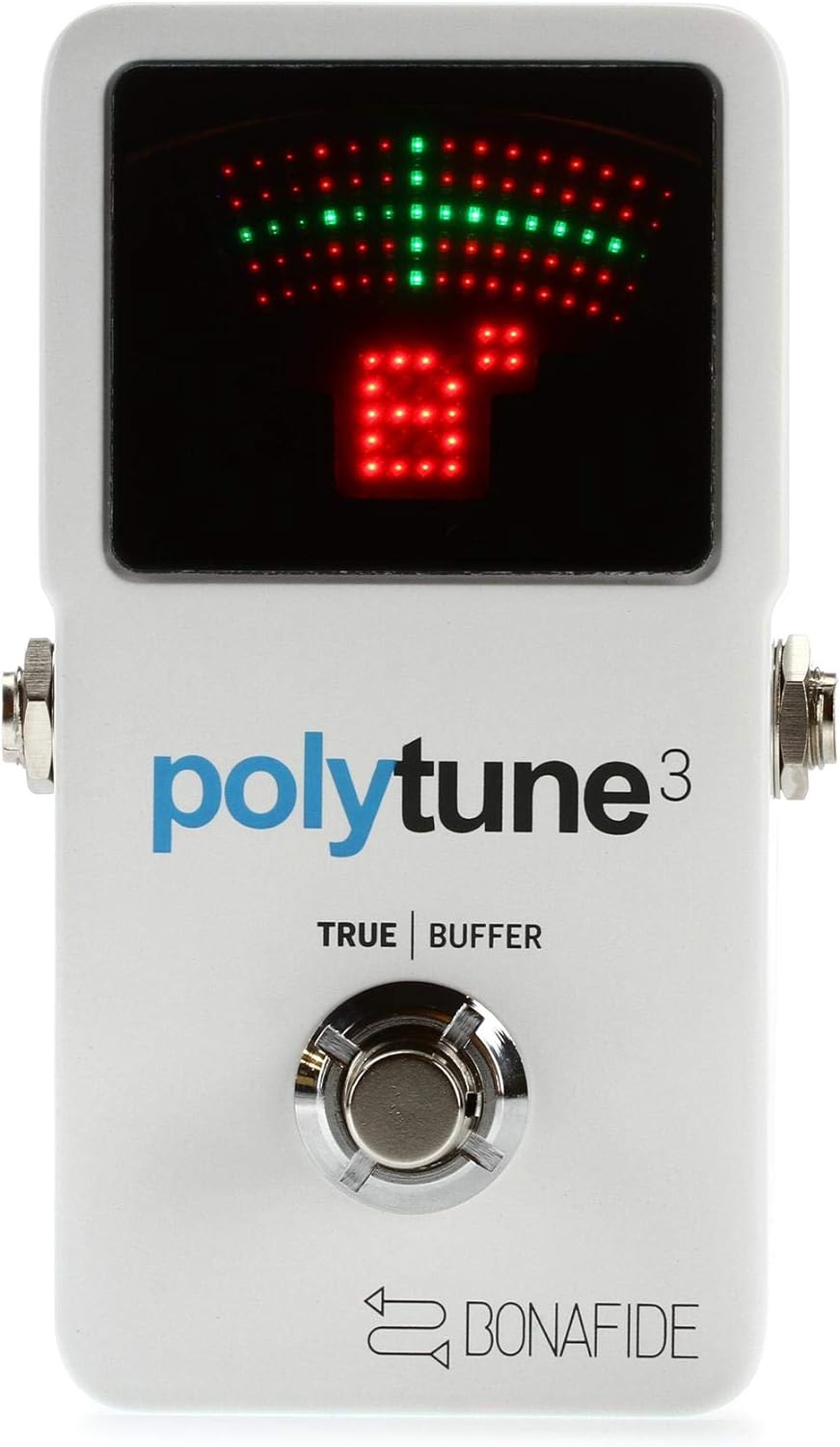
TC Electronics Polytune 3 tuner
If you’re looking for a great guitar tuner, I can’t recommend the Polytune enough.
It’s small but with a very clear display; it responds very quickly and can show tuning for all 6 strings at the same time:
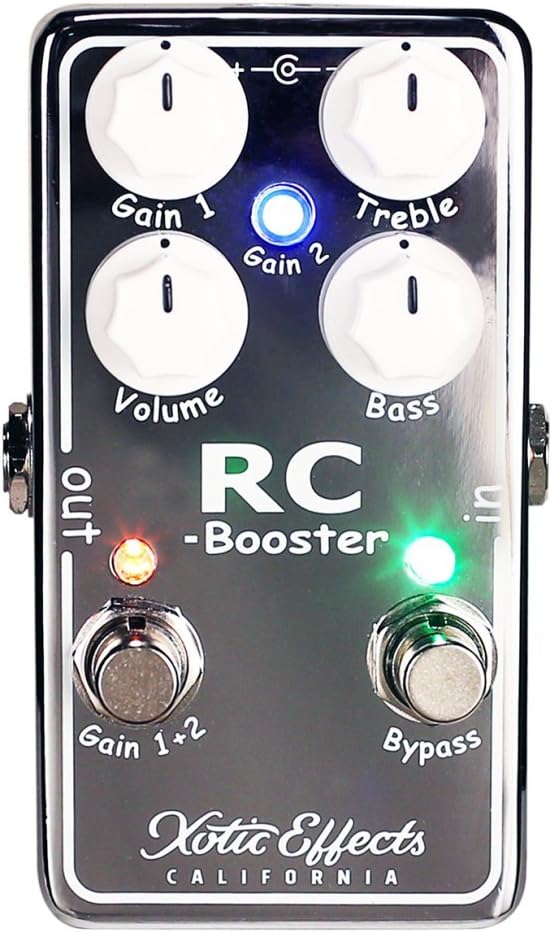
Xotic RC booster
This is the pedal I use as my boost when I need to poke my head up above the rest of the band.
You can get some lovely sounds from it; both with and without introducing drive. The EQ dials sound great all the way from minimum to maximum:
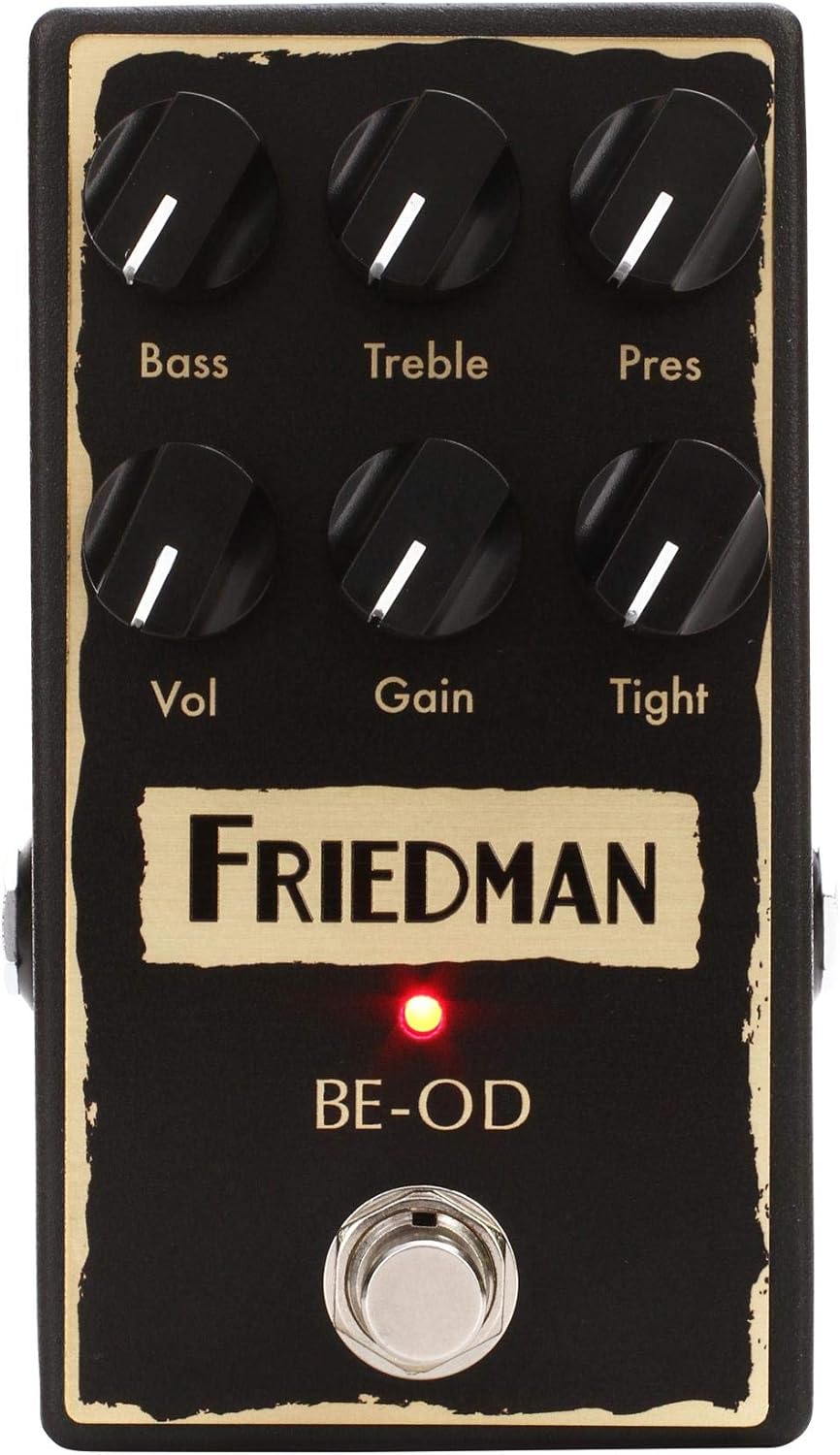
Friedman BE-OD overdrive pedal
The moment I tried this pedal I knew it was what I had been looking for. It’s the perfect high-gain sound you get from a super-cranked amp but all packed into a very controllable pedal.
If you like to take full-on rock solos from time to time, this is the pedal for you.
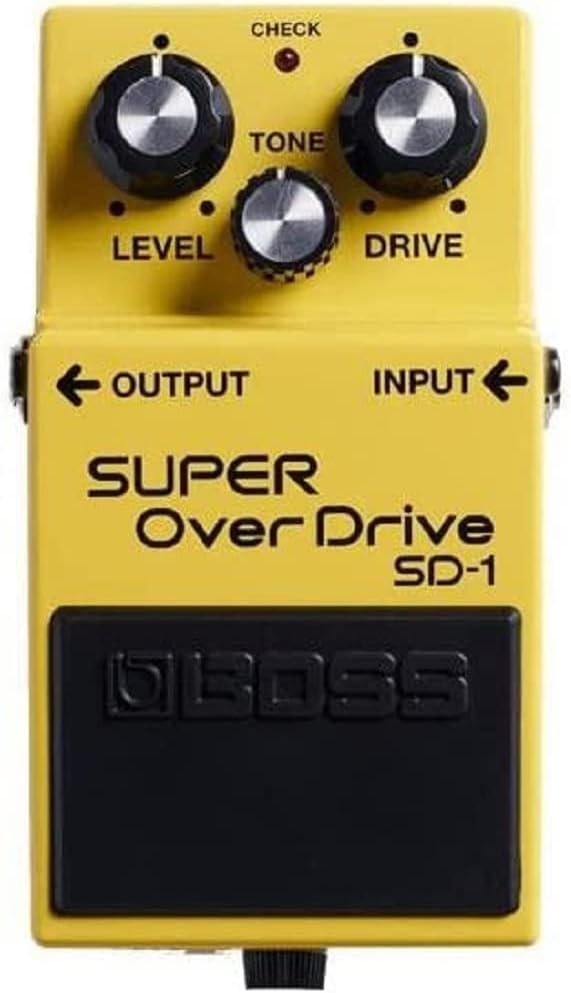
Boss SD-1 overdrive
Yes really! Guitar gear doesn’t have to be expensive. The SD-1 has much less gain than the Friedman, but it’s also considerably cheaper. So if you want drive without going nuts, consider this great little pedal.
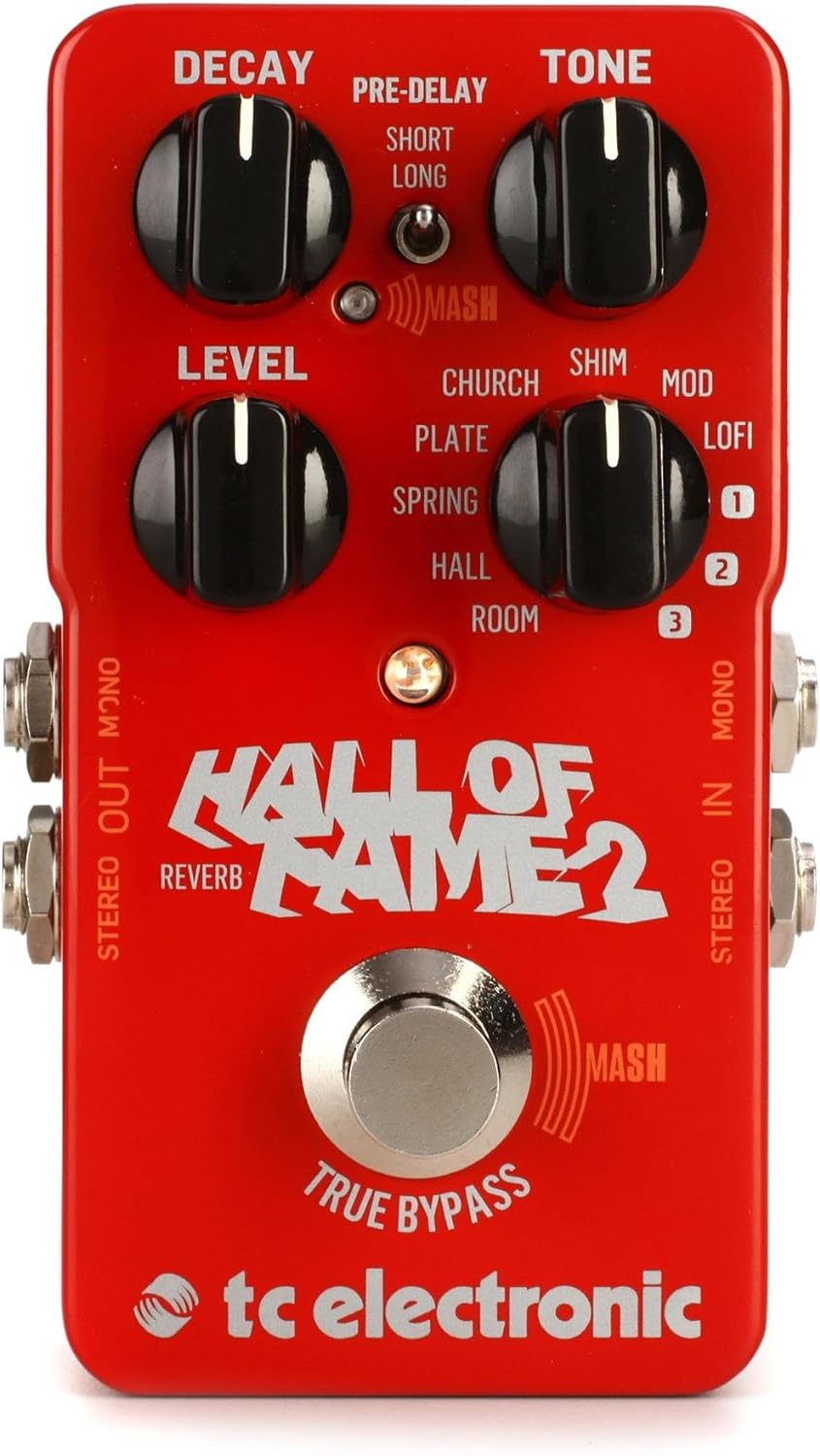
TC Electronic Hall of Fame 2 reverb pedal
Surely the industry standard in reverb pedals. It sounds great and is very flexible.
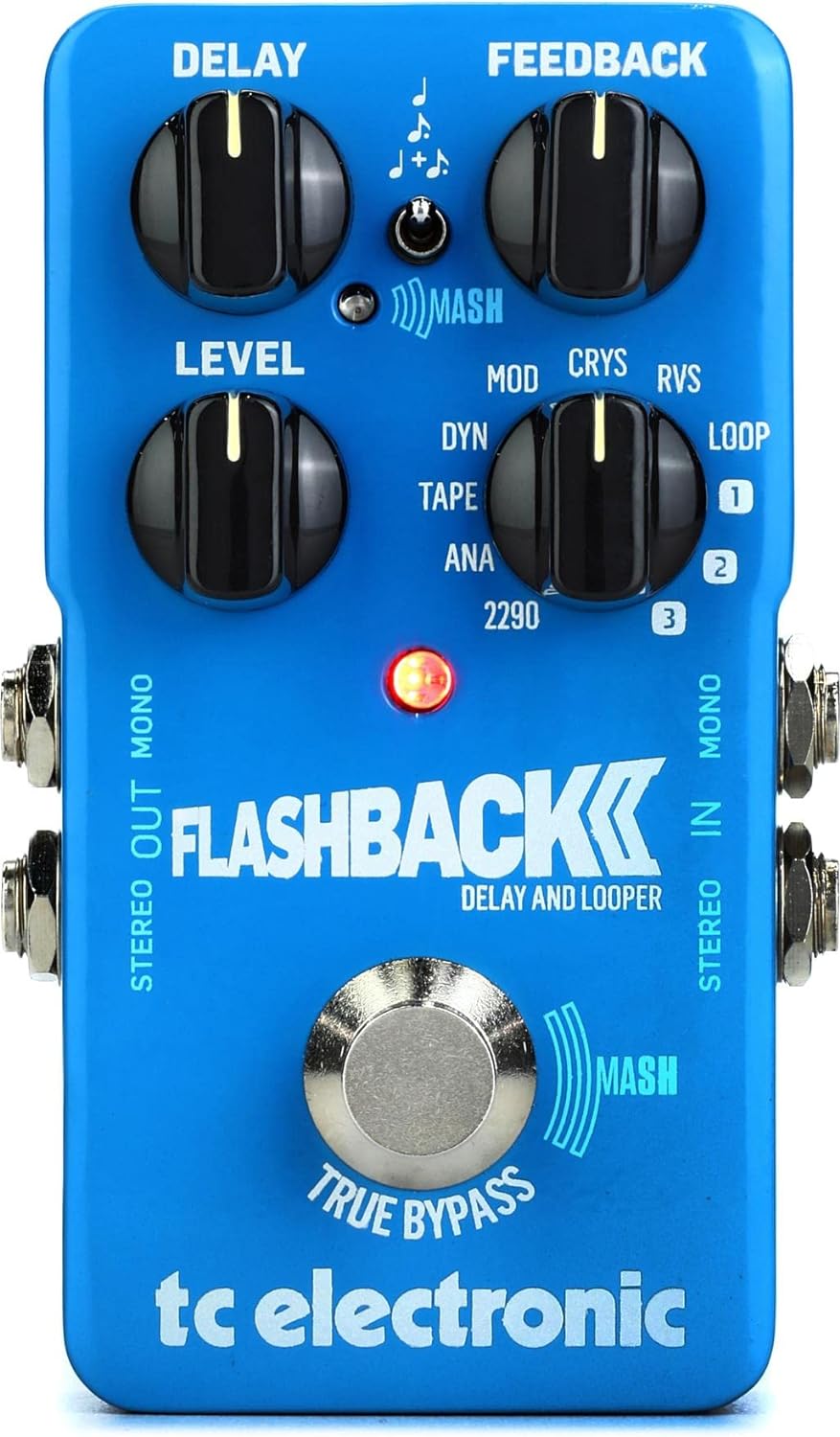
TC Electronic Flashback 2 delay pedal
The counterpart to the Hall of Fame, the Flashback is a fabulous delay pedal with tons of features.
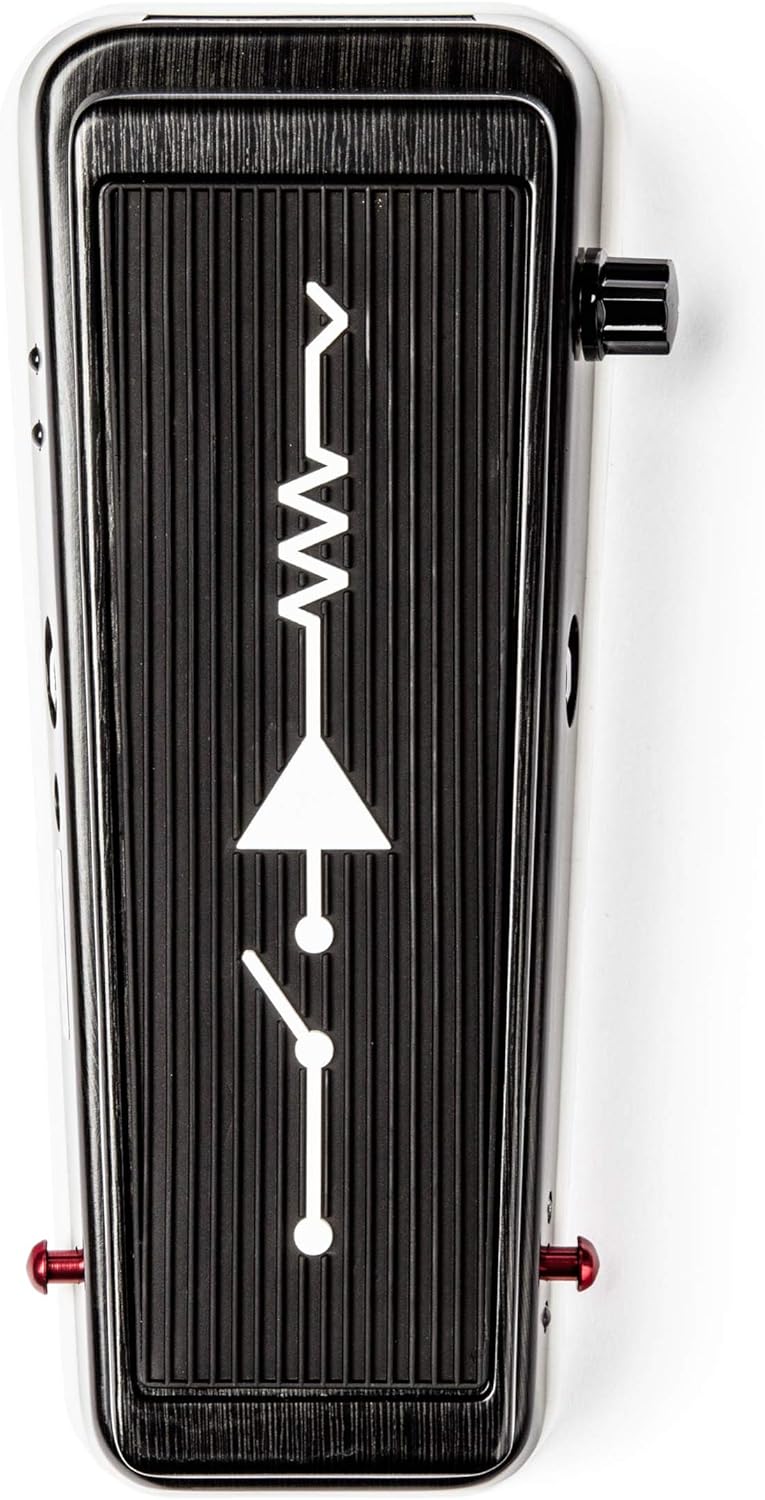
MXR MC404 wah
This fabulous wah from Custom Audio Electronics both sounds and feels great!
It has two different sounds – I prefer the brighter one – and it has a built-in boost control:
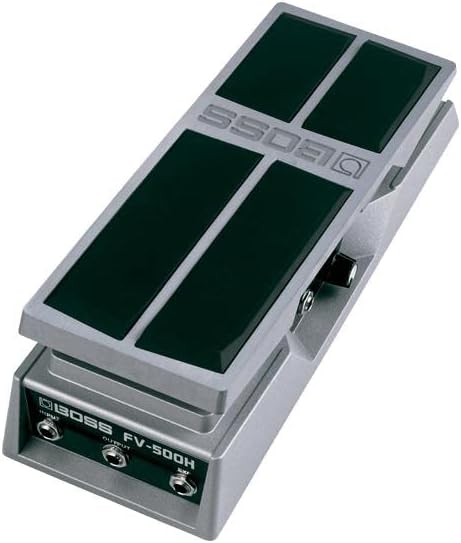
Boss FV500H volume pedal
As I mentioned above, a lot of the recommended gear for guitarists on this page is to fix problems.
Single note lines are quieter than strummed chords so often need a boost in volume to match the sound of the band. Similarly, we sometimes need to back off on the volume for quieter strummed tunes.
This nice solid volume pedal allows me to blend in with the band whatever we’re playing:
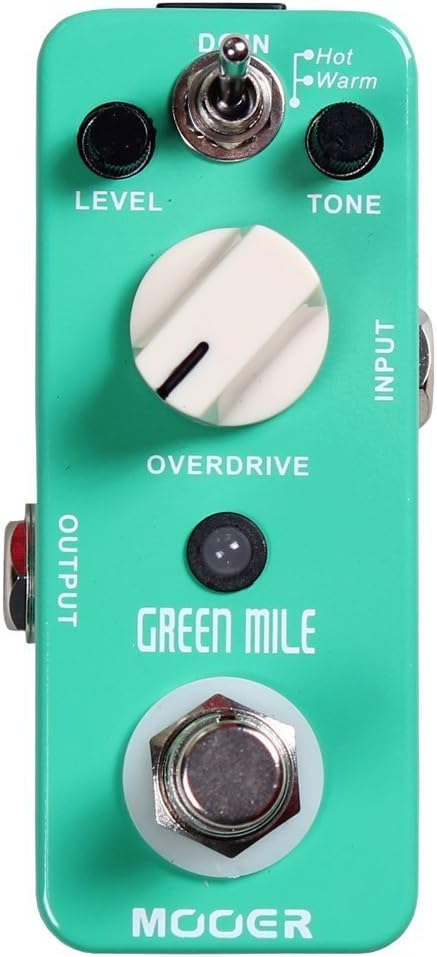
Mooer Green Mile overdrive pedal
This is a nice little overdrive pedal that’s based on the Ibanez Tube Screamer.
It sounds best in front of a tube amp but it’s pretty good going through my practice amp too. It provides a warm and pretty natural overdrive sound. If you want a good, low cost overdrive pedal I recommend this:
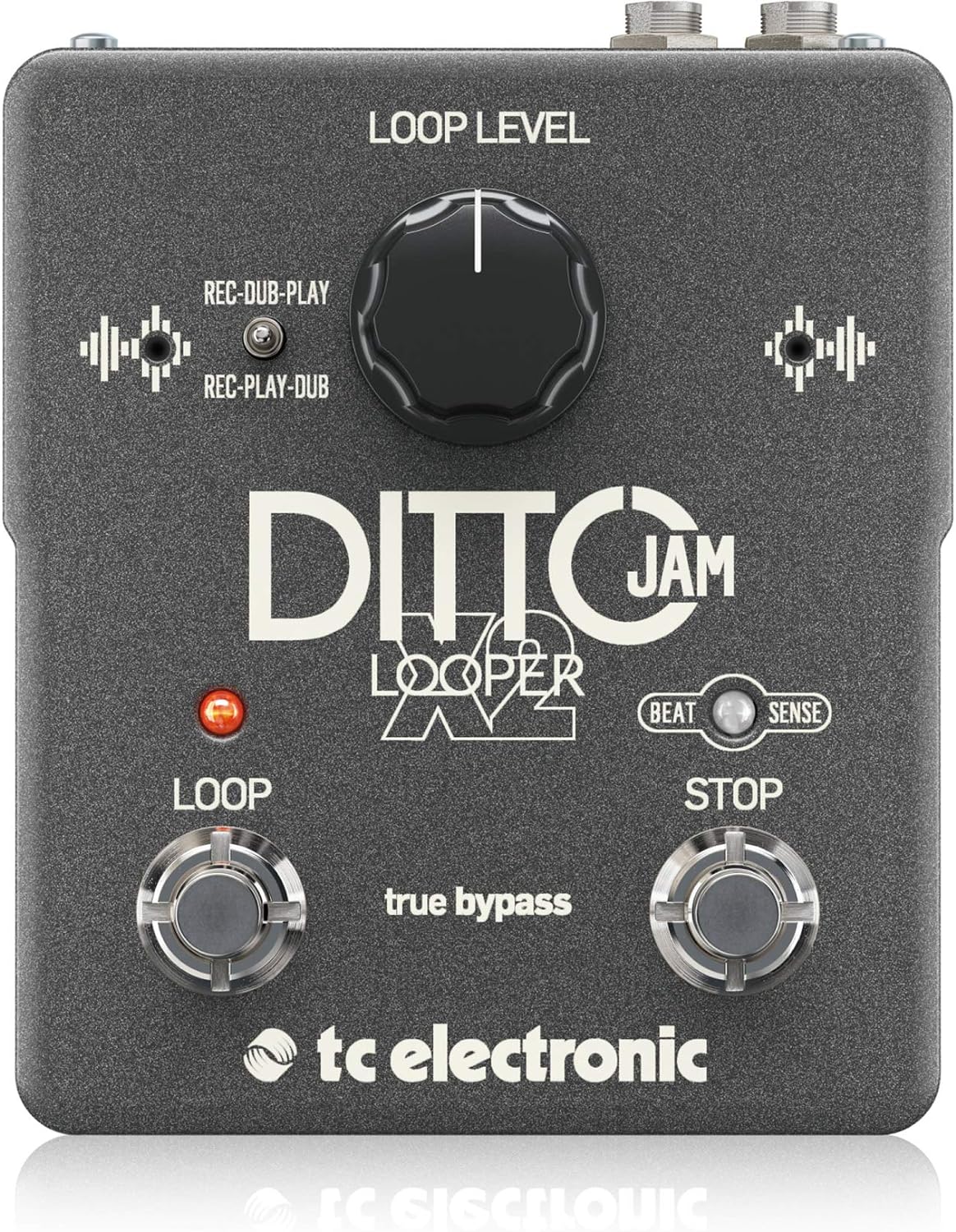
TC Electronic Ditto X2 looper
Looper pedals are handy for quickly creating simple backing tracks to practice over. Play a couple of bars into the looper and off you go.
It’s a nice alternative to backing track generators when you want something with a little more ‘feel’.
The Ditto is easy to use, and has big solid responsive foot-switches that make it easy to punch in and out of your playing accurately:
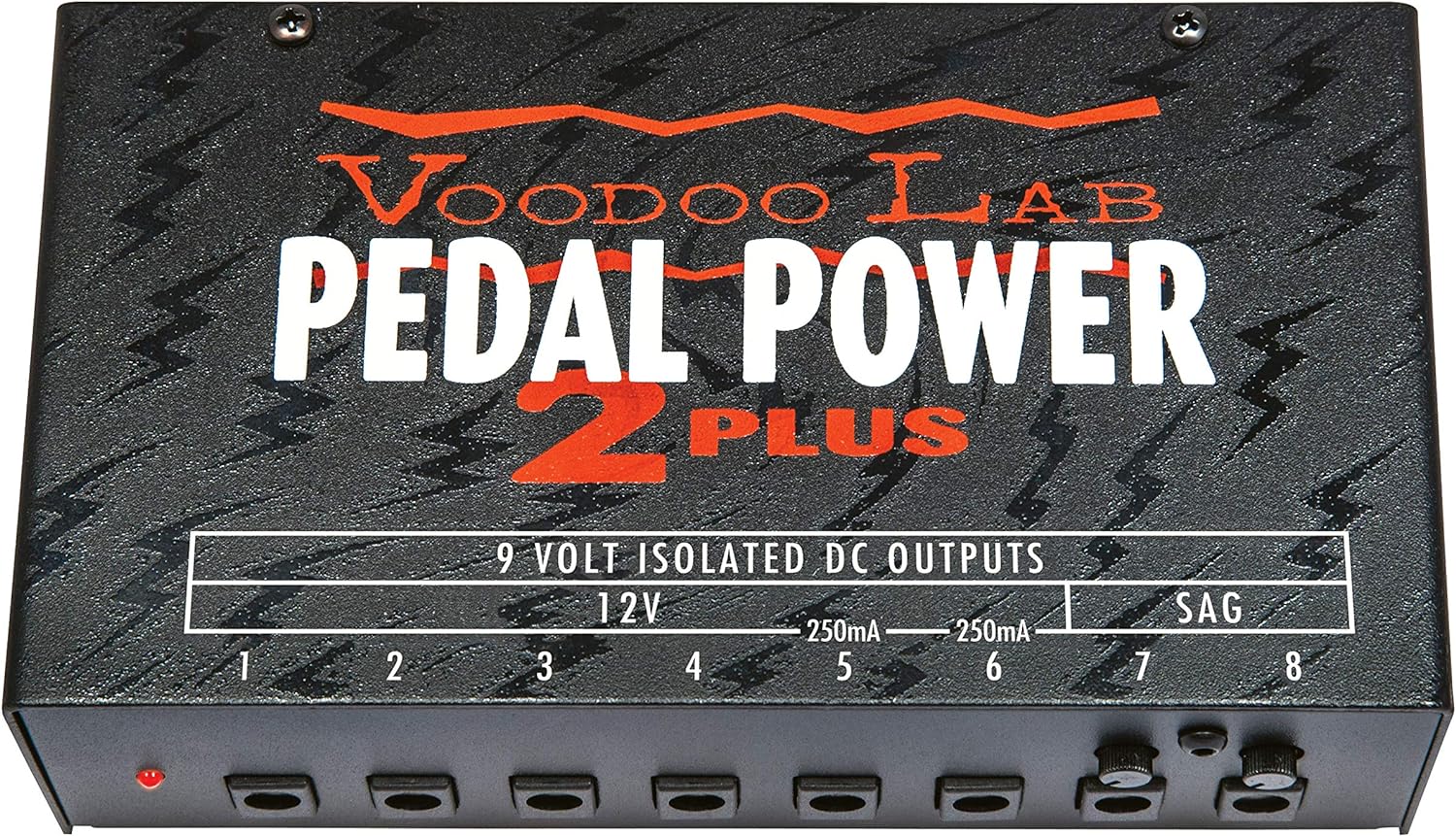
Voodoo Lab Pedal Power 2 Plus
It’s hard to get excited about a power supply but when it comes to recommending guitar gear, we must have super-reliability.
The PP2+ is very well built and fits discreetly under my pedal board (recommended above).
It has 8 outputs: 6 delivering 100mA and 2 delivering 250mA in case you have any super-hungry pedals that need feeding. It’s never let me down:
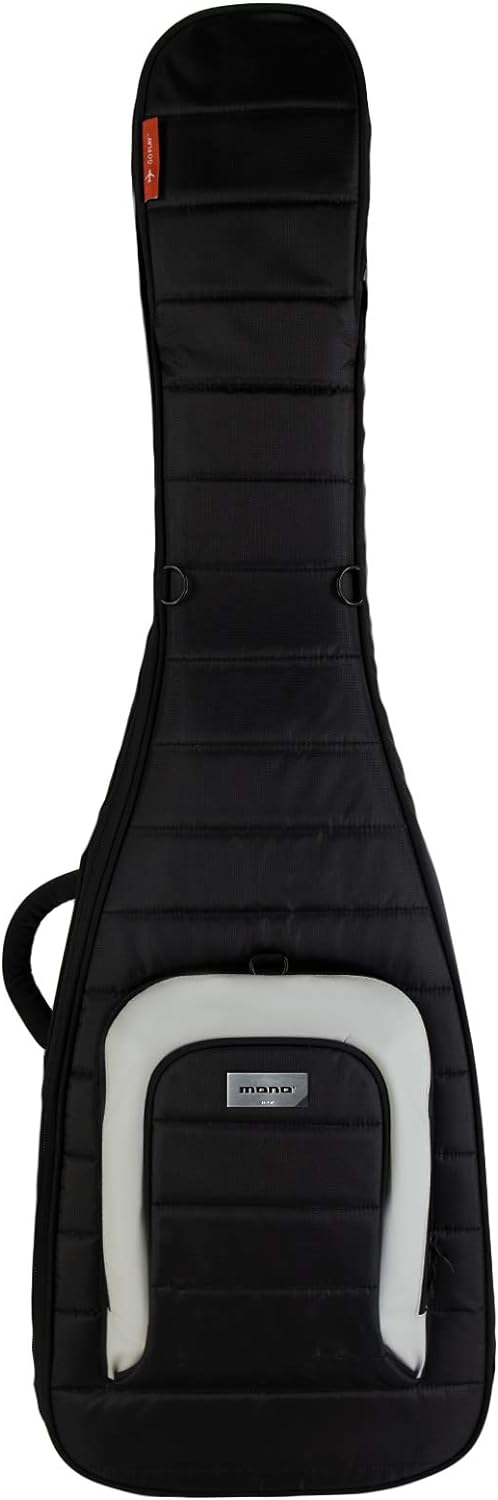
Mono M80 guitar case
This is a fabulous electric guitar case that I can’t recommend enough.
It’s not cheap, but you can see where your money is going. Although it’s a ‘soft’ case the material it’s made from is very tough and it has plenty of padding to protect your guitar.
Never again will your pride and joy hit the deck due to a strap breaking. This is the Rolls Royce of guitar cases:
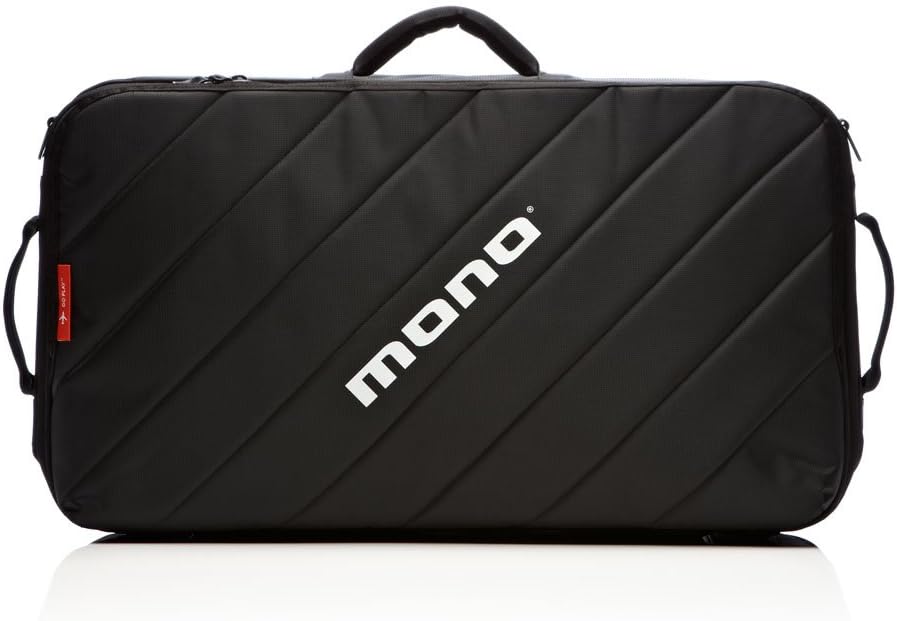
Mono M80-PB2 Pedaltrain 2 case
Just like the guitar case I recommend above, this is an equally fabulous case for the Pedaltrain 2 pedalboard.
It’s made of the same super-tough material as the guitar case, has seemingly unbreakable zips, and a large second compartment for cables, etc:
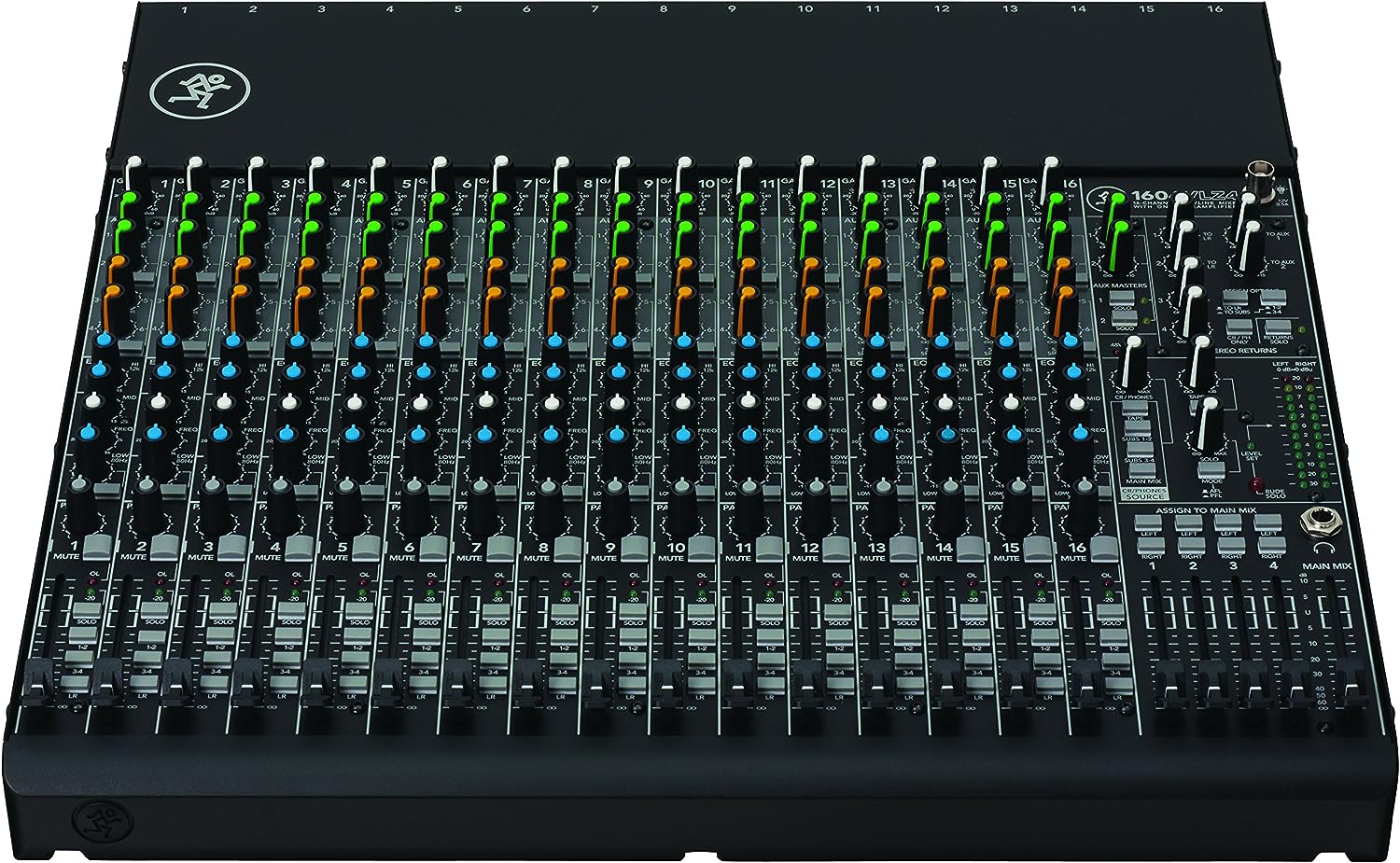
Mackie 1604 VLZ Pro mixing desk
This is a superb mixer. It has 16 channels, phantom power, 3-band EQs, 4 auxiliary sends, and most important of all, it’s built like a tank.
It’s super-reliable and, with 16 channels, it can take even an extended band line-up with a miked up drum kit.
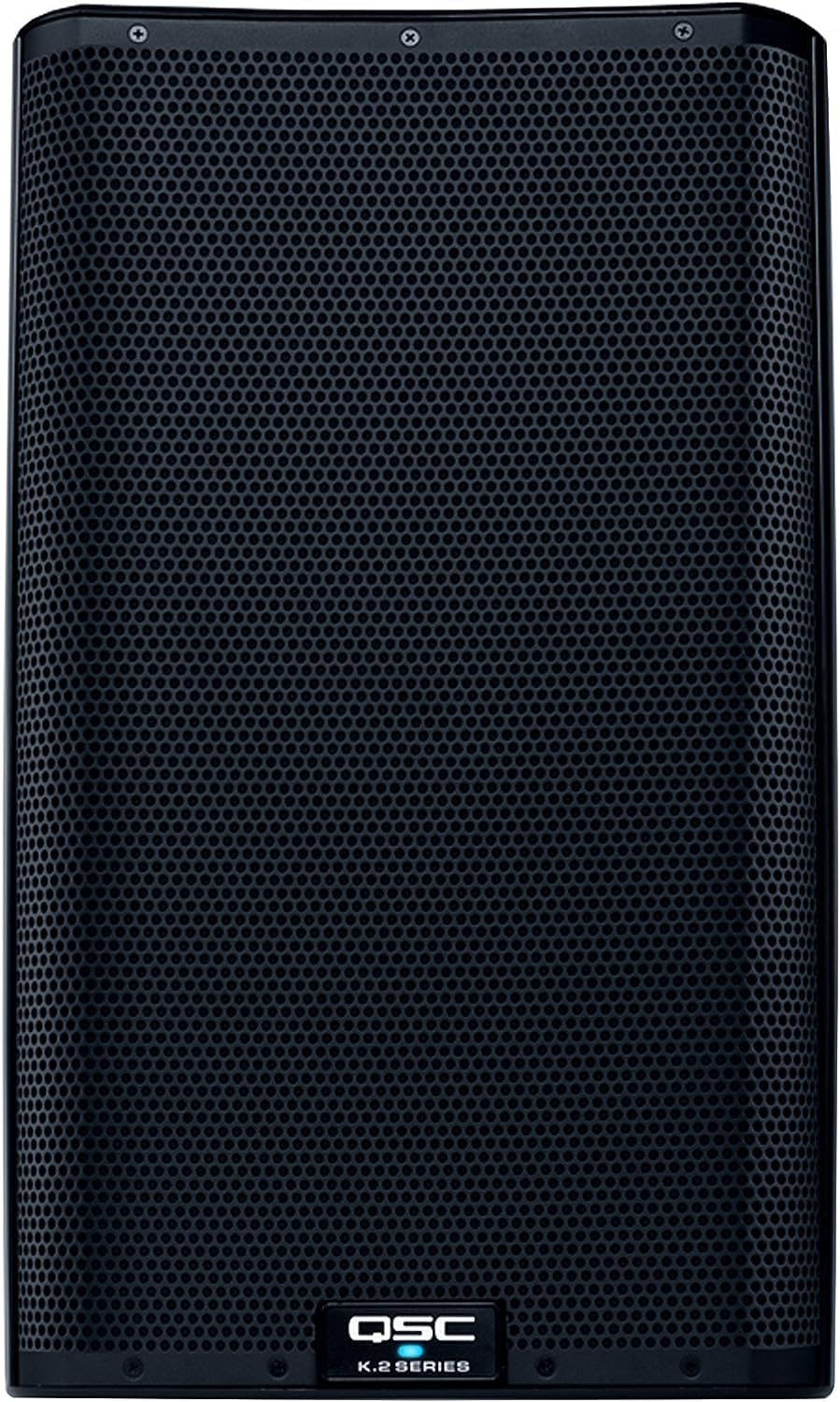
QSC K12.2 active 12″ 2000 watt loudspeakers
It’s remarkable how light PA equipment has got in recent years. These powered speakers are very powerful, sound glorious and yet weigh only about 17kg.
Two of these speakers (with the addition of a subwoofer) are more than enough for most large rooms and audiences of 200 people.
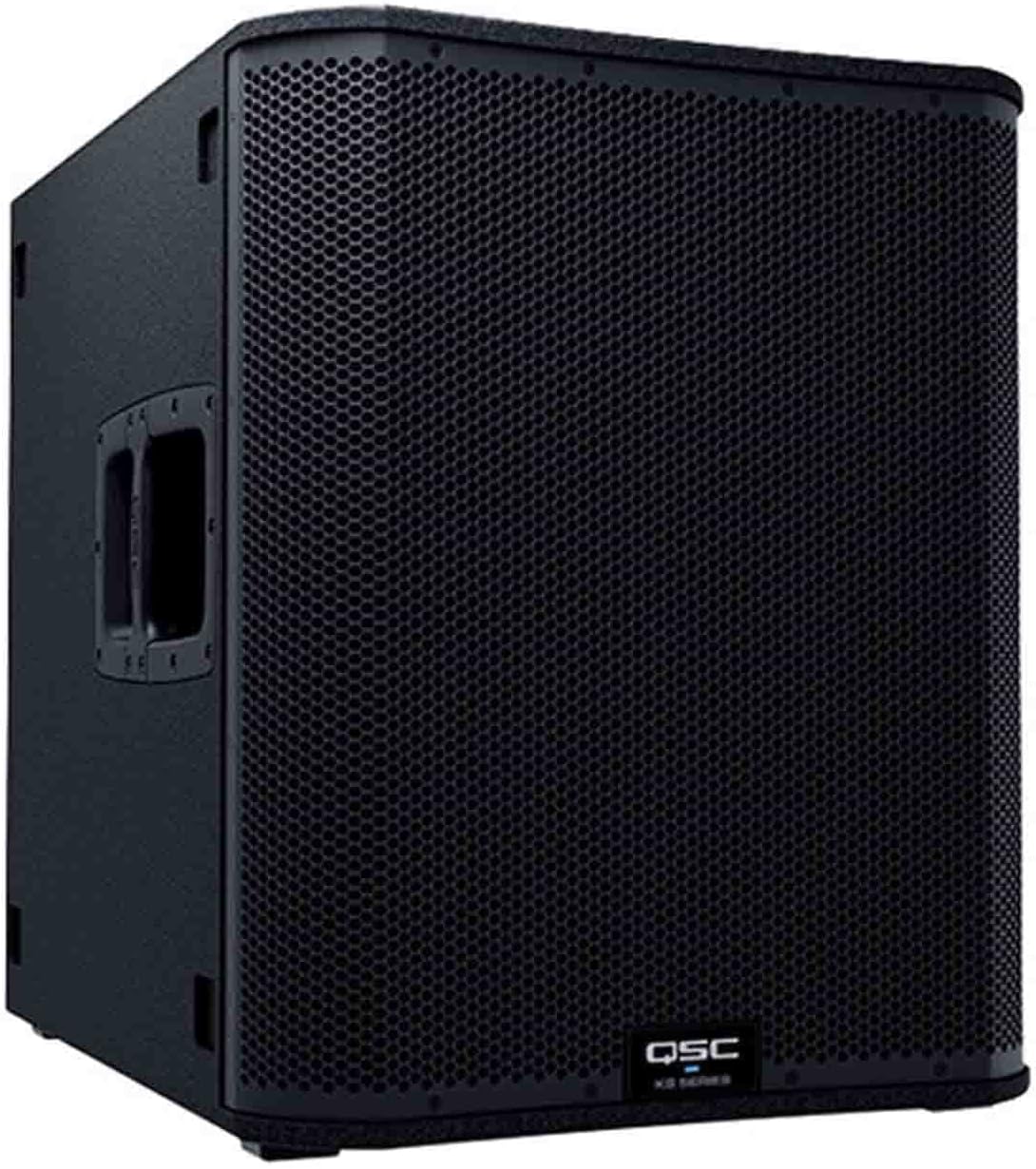
QSC KS118 active 18″ 3600 watt subwoofer
The companion sub to the speakers above. Lovely warm thumping bass frequencies. Like the tops, it has a built-in crossover.
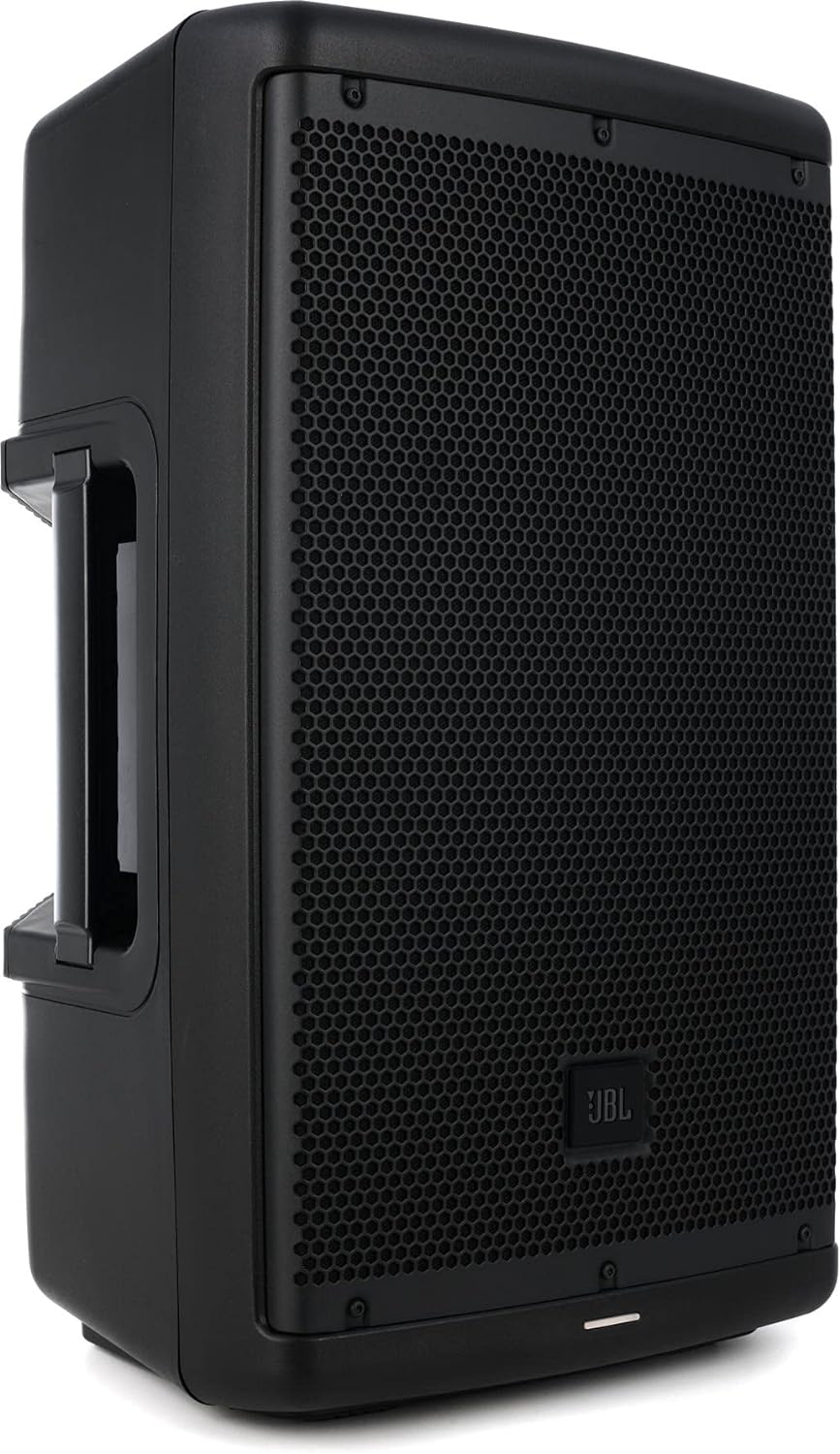
JBL Professional EON610 active monitors
These powered monitors are light and portable but a pair of them offer plenty of power for a performing band.
They can also be used as main speakers for smaller gigs such as when performing as a duo.
A high quality flight case
Whatever mixer and/or power amp you use, it’s got to be protected if it’s going to last. This means getting good quality flight cases.
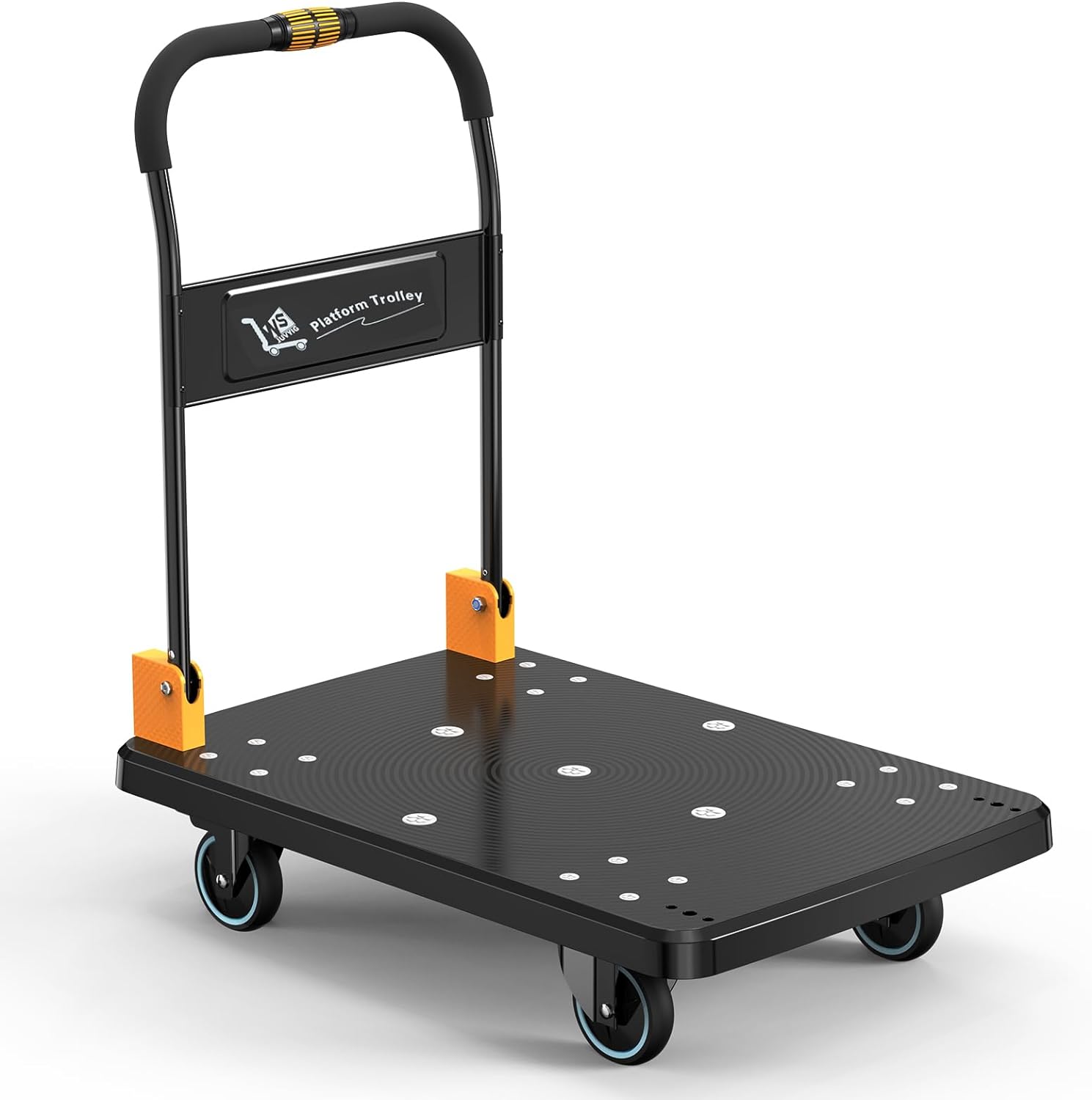
A trolley or cart
Lugging gear can play a role in keeping you fit. But it’s unfortunately all too common for musicians to acquire back or knee injuries – sometimes long-term ones – from careless lifting or twisting with heavy items.
Having a decent trolley is a smart move and it’s a godsend when you have to move your entire PA system 50 metres down winding corridors in some labyrinthine hotel.
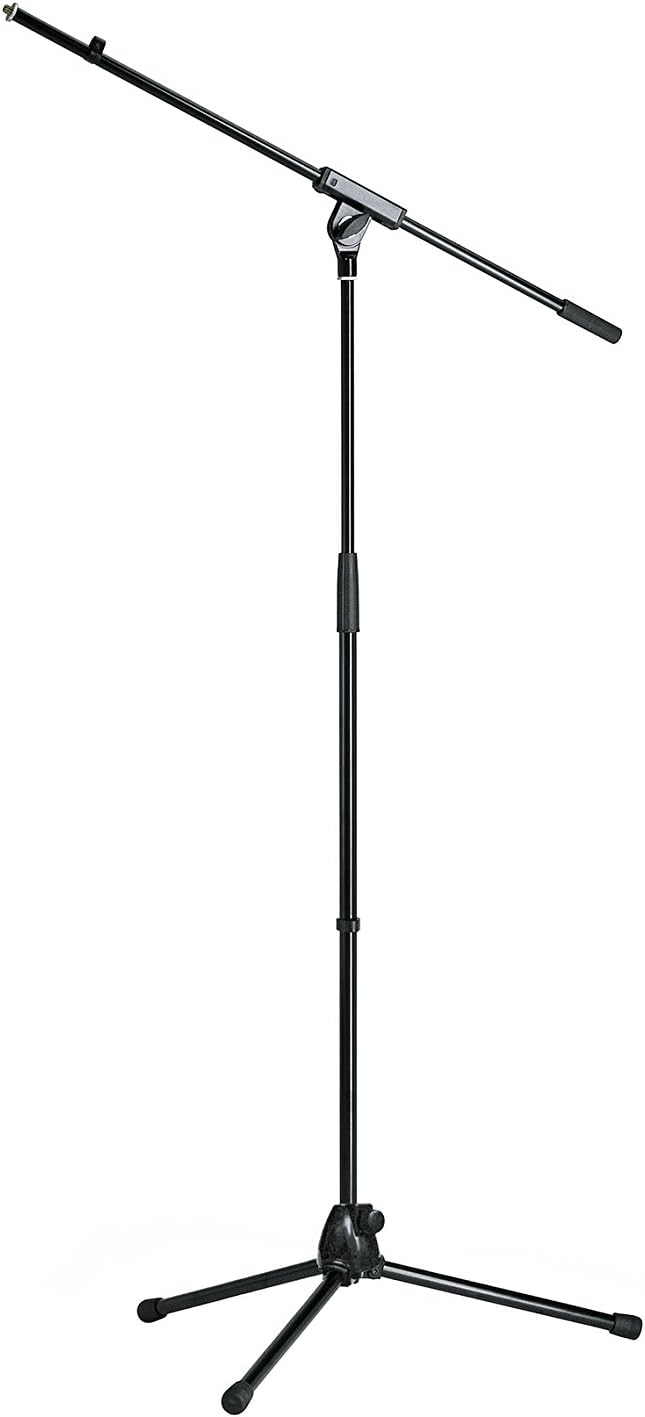
Heavy duty microphone stands
When it comes to microphone stands, you really do get what you pay for. Do NOT buy the cheapest ones you can find because they WILL break in no time at all.
K&M’s heavy duty microphone stands are among the best within a sensible price range.
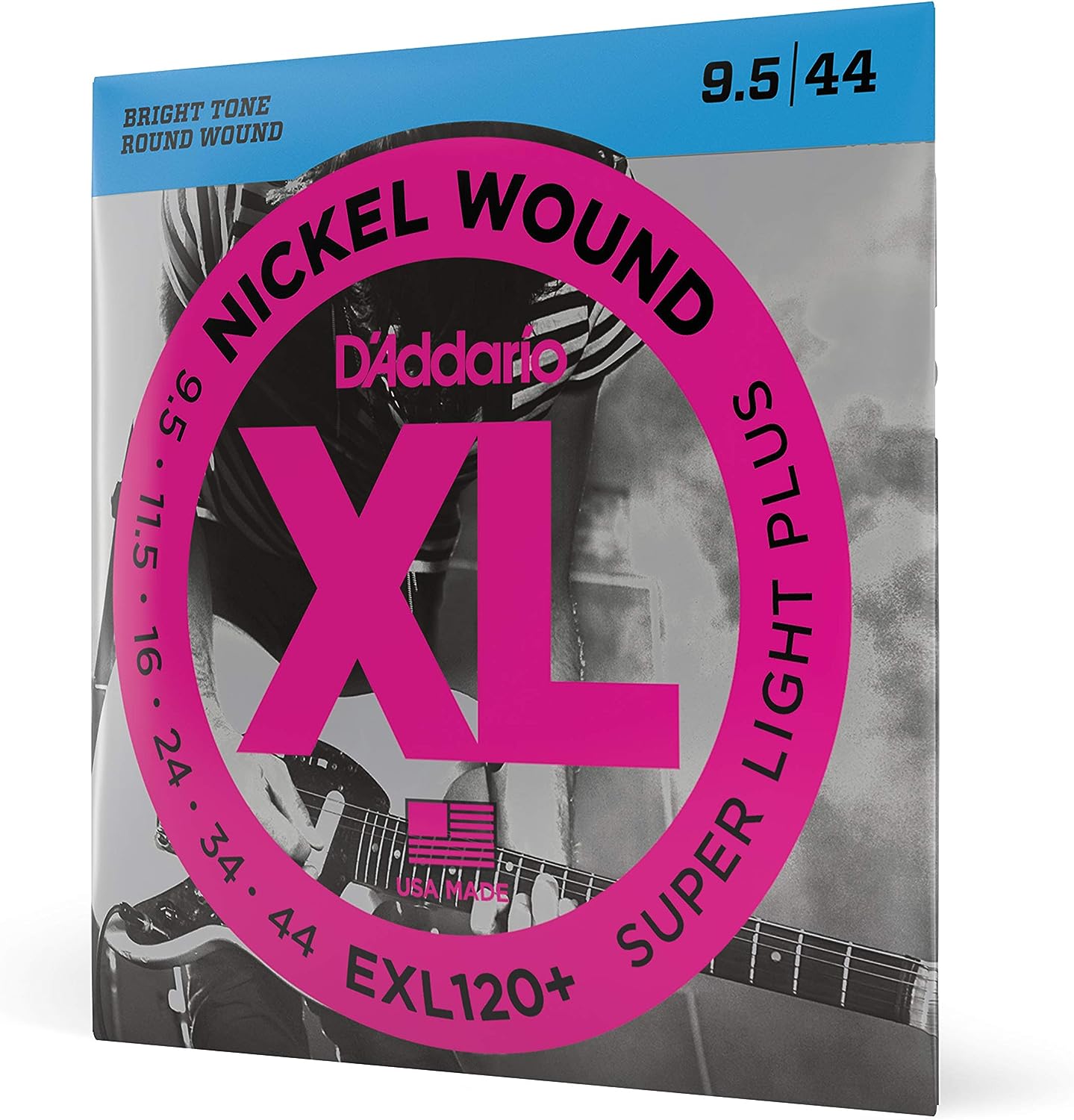
D’Addario EXL120+ electric guitar strings
It’s hard to give a clear recommendation when it comes to guitar strings because the best string thickness depends on your needs, tuning and style of music. So, this is a very personal recommendation.
Thin strings are great to bend and you can get great vibrato out of them. But thicker strings have a fuller sound. I’ve tried a wide range of string gauges and brands over the years, and I’ve found D’Addario EXL120+ to be the best compromise between these two factors:
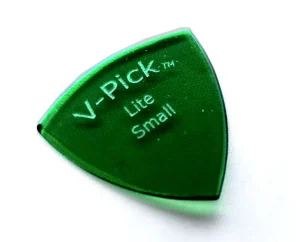
V-Picks small pointed lite emerald green guitar pick
Over the years I’ve tried many different guitar picks but since I was introduced to V-picks I’ve been hooked.
They’re more expensive than regular picks but for me the cost is well worth it. They’re made from acrylic and have a slight tackiness to them, making them extra secure, and I love the sound that they produce.
Of the V-picks range, these small lite emerald green ones are the ones I like best and that I recommend:
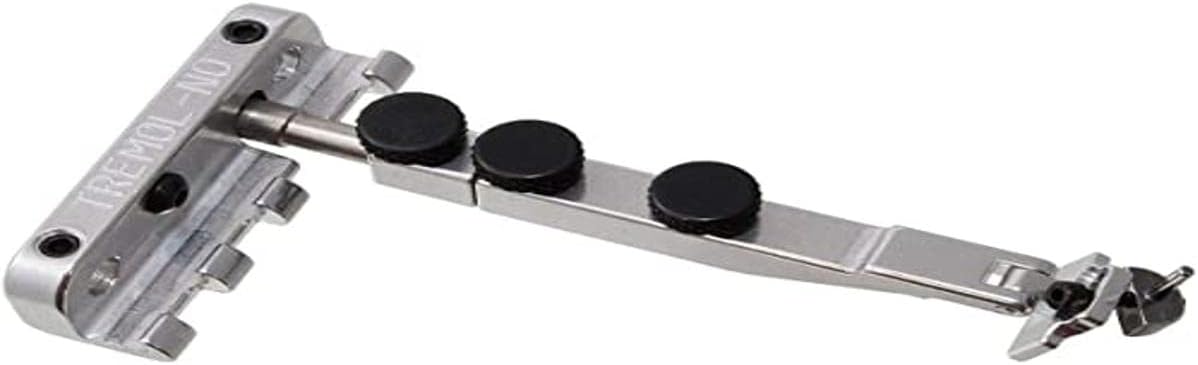
Allparts Tremol-No tremolo locking device
If you have a floating tremolo you’ll know what a nightmare it is if you suddenly need to go into drop D tuning.
The Tremol-No is a great little device that you fit to your tremolo. Then with the twist of a little dial it locks your tremolo allowing detuning without any movement from your tremolo or loss of tuning of the other strings.
There are several different models made for different tremolo systems. This is the pin version which fits Stratocaster guitars.
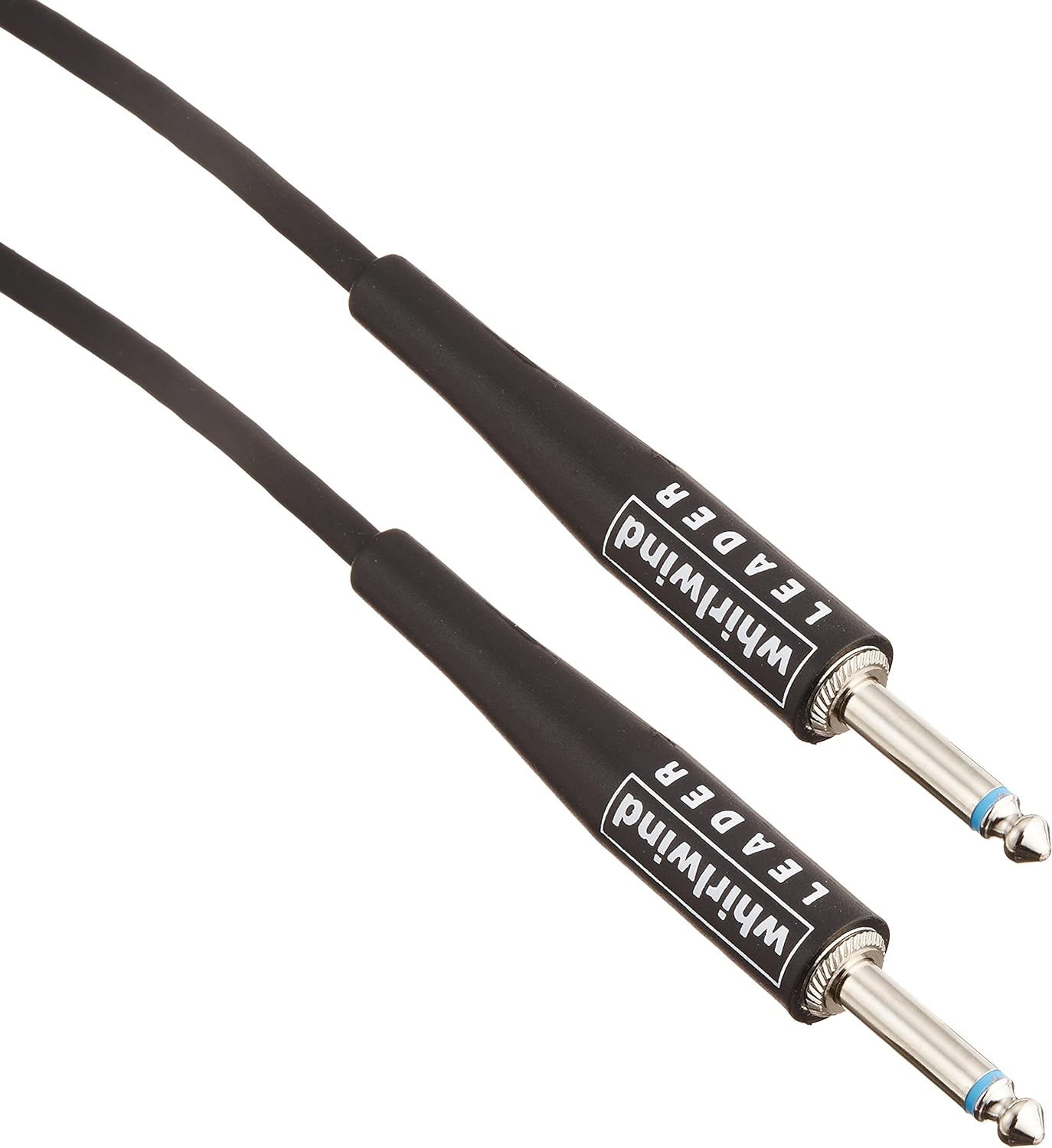
Whirlwind guitar cables
A list of recommended gear for guitarists must include guitar leads, and these are one of my strongest recommendations of all!
I’ve used nothing but Whirlwind guitar leads since around the year 2000. As far as I’m concerned there’s no better cable. With their trademark tough moulded jacks and lifetime guarantee they really do seem to last forever.
Although they’re more expensive than other leads, it’s those ‘other’ leads that break or become unreliable; a potential nightmare on a gig.
Whirlwind leads come in many different lengths with straight or right angled jacks. These are the 10ft ones with straight jacks:
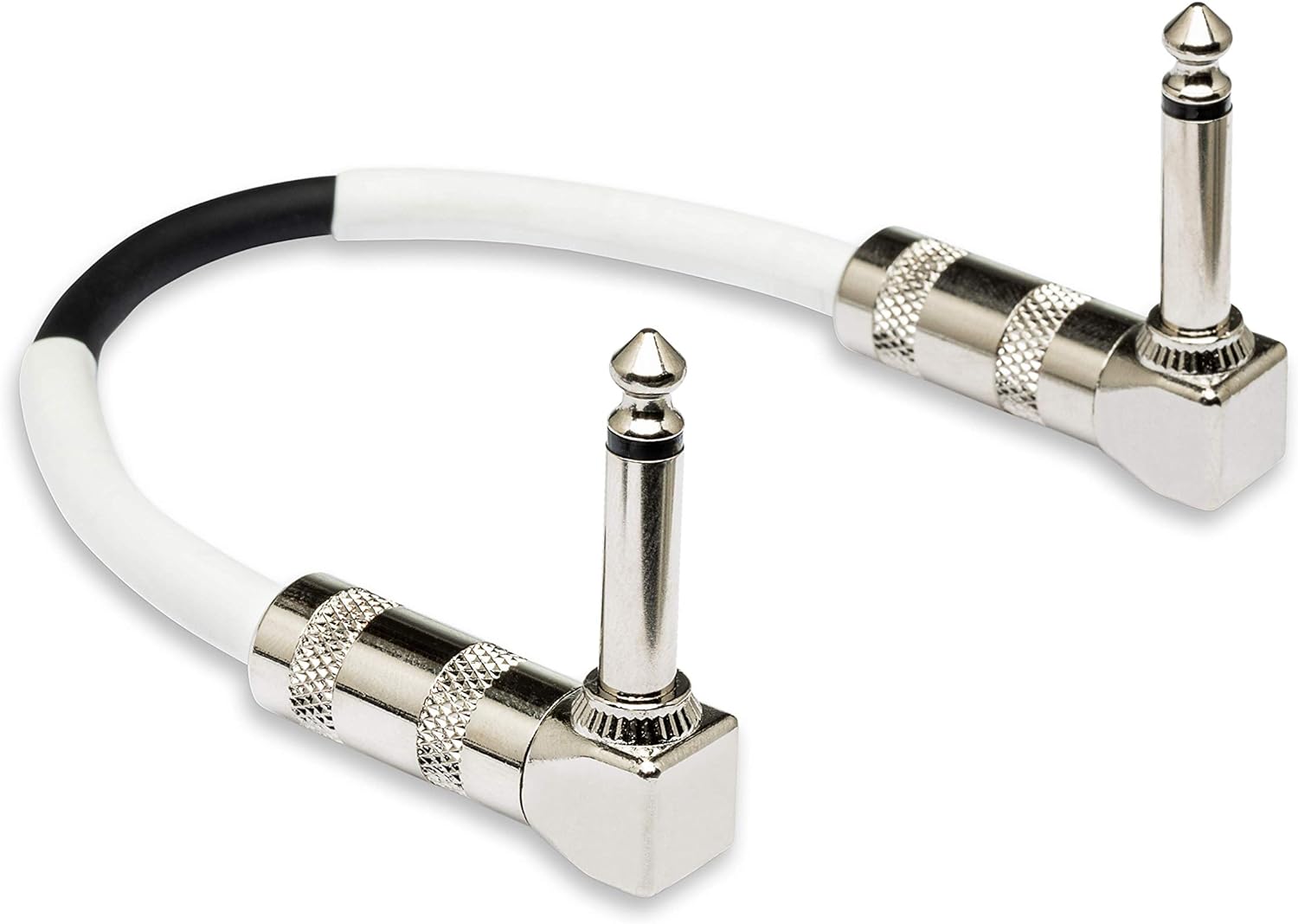
Hosa CPE-106 right-angle 6″ guitar patch cable
Gear for a gigging guitarist must be reliable to be recommended. I’ve used these patch cables on my pedal board for years and they’ve been perfect.
They’re very well-built, take up very little room and are pretty low cost.
These are the shortest 6″ ones. You may need one or two slightly longer ones depending on the arrangement of your pedals:
Hosa CPE-106 Right-Angle to Right-Angle Guitar Patch Cable, 6 inch
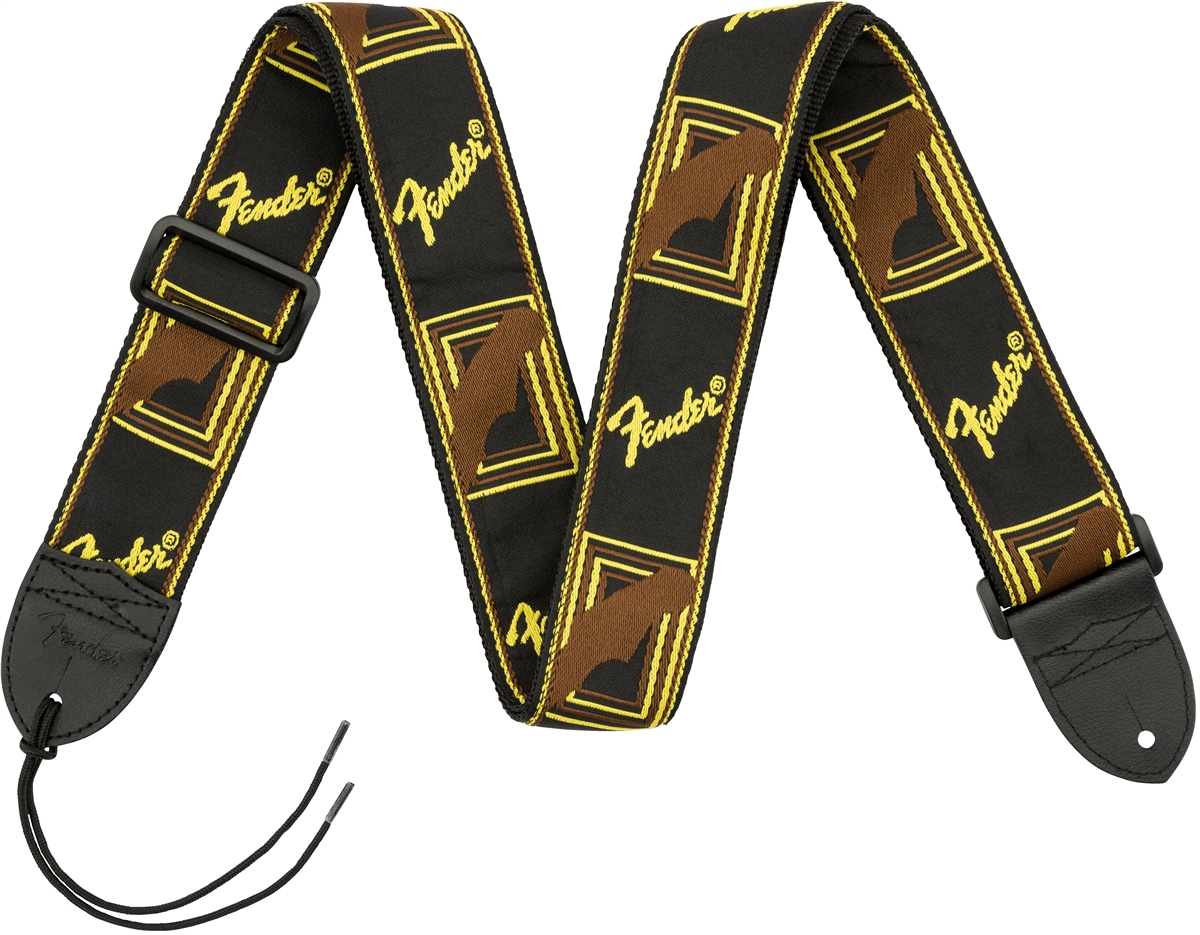
Fender monogrammed guitar strap
I’ve tried many guitar straps over the years, and found many to be too long or awkward to adjust.
Of all the guitar straps I’ve tried, I recommend this classic monogrammed strap by Fender.
I’ve found it to be comfortable, very adjustable, long-lasting and inexpensive:
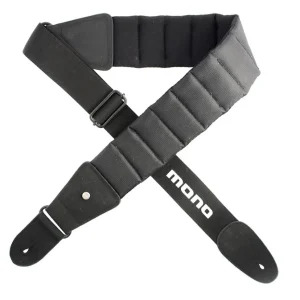
MONO Betty Guitar Strap Short – Black
If you are looking for a more substantial and super-comfortable guitar strap, I highly recommend this one from Mono.
It’s well-padded and seemingly made of military grade materials! They do a long and a short one. This is the short one.
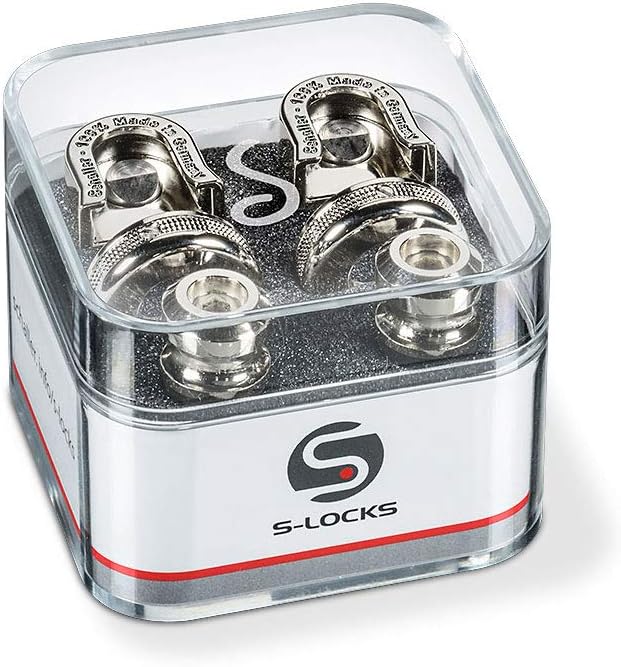
Schaller security straplocks
Again, recommended gear for guitarists needs to be reliable. This is no less true when it comes to straplocks.
Straplocks secure your strap to your guitar so there’s no chance of your guitar ever popping off and hitting the floor.
These are the ones I use and recommend:
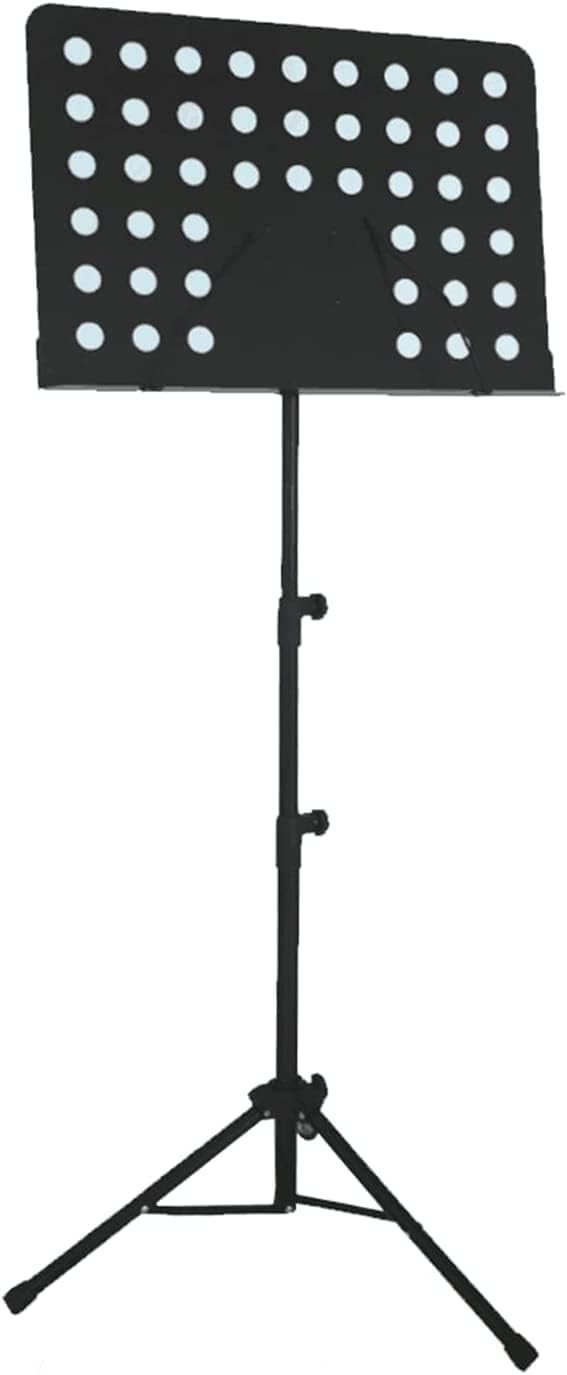
Orchestral music stand
I’m also recommending gear for guitarists for use in the practice room, and this may be the most important. If you don’t have a good music stand, I strongly urge you to get one. Hunching over a desk is not good for our long-term health.
I recommend any good orchestral music stand. They are sturdy and have a deep lip which can support a big fat folder of material, and still leave space for a metronome, tuner, pens and highlighters.
Your back will thank you in years to come:
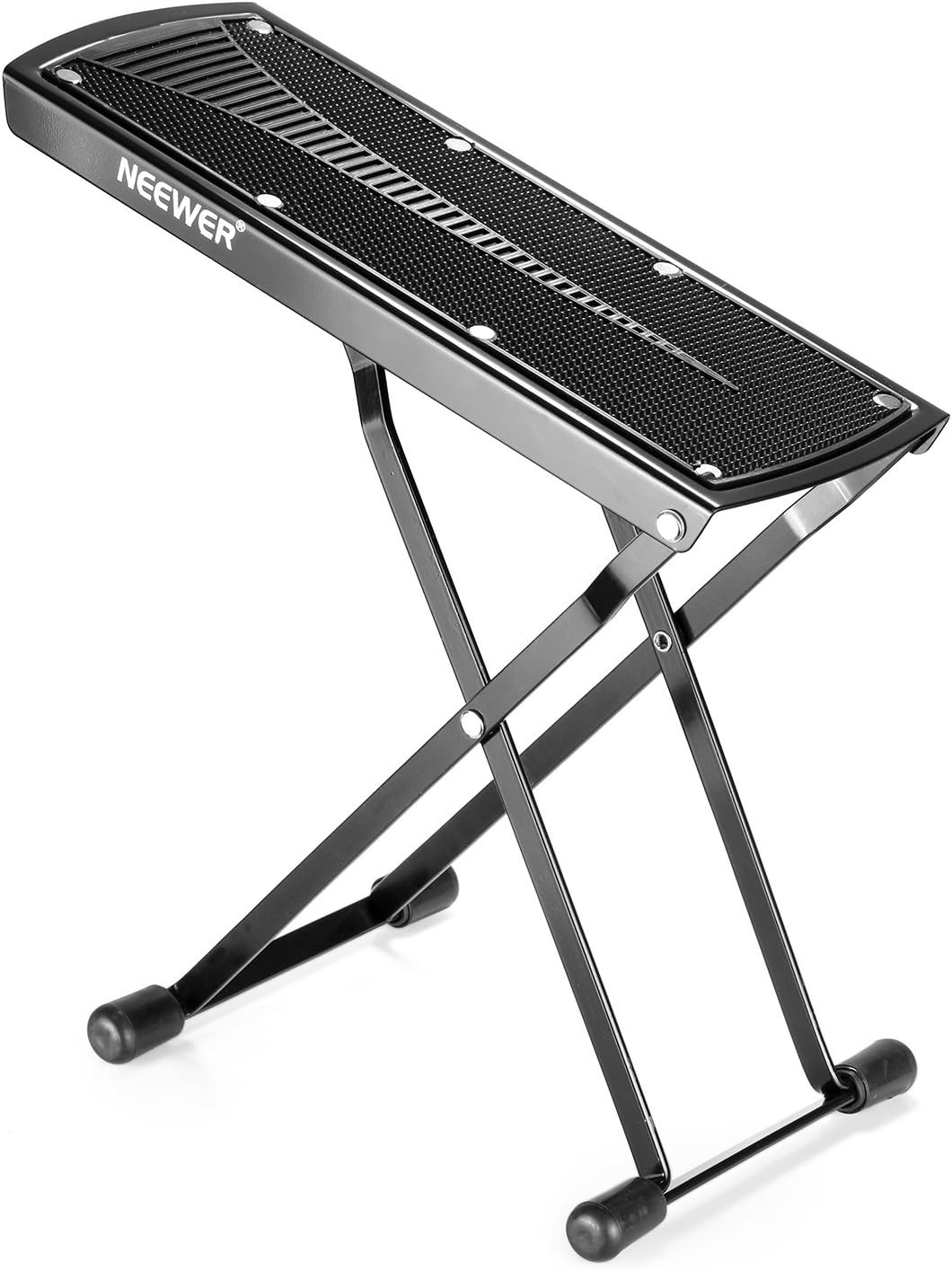
Heavy duty footrest
If you play classical guitar a footrest is an essential piece of guitar gear. But even if you play electric, I recommend getting one.
If you play electric guitar with your right foot on tip-toe to raise up your guitar, your body is trying to tell you something: “get a footrest!”
Cheap footrests are a false economy; they break in no time at all. I recommend this extra sturdy guitar footrest by Neewer. It will save you money in the end:
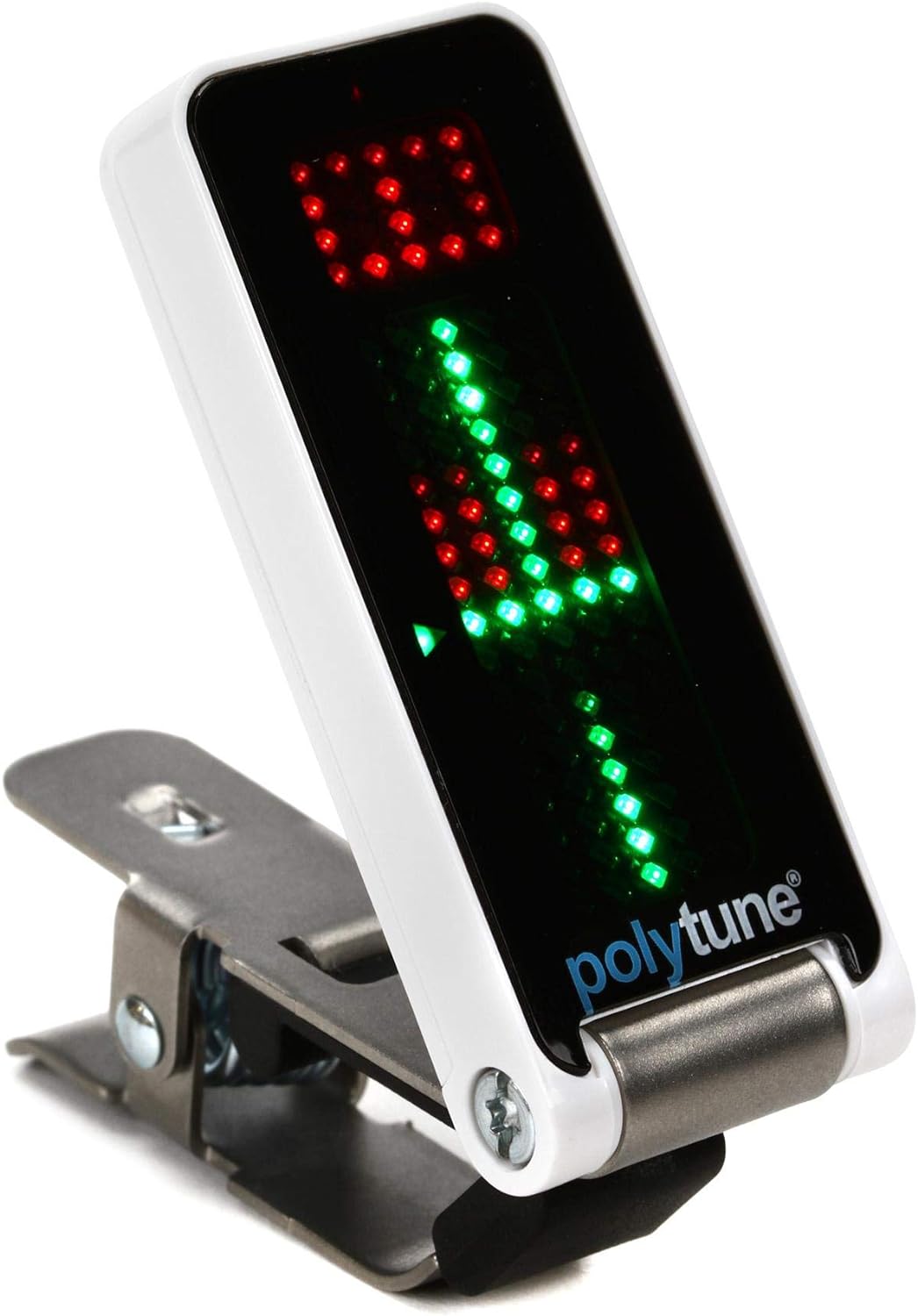
Polytune clip-on guitar tuner
On gigs I usually use my tuning pedal but it’s good to have a clip-on guitar tuner for the home and for gigs when I don’t need a pedalboard.
I recommend the TC Electronic Polytune clip-on guitar tuner. It has a very clear display and the battery seems to last forever:
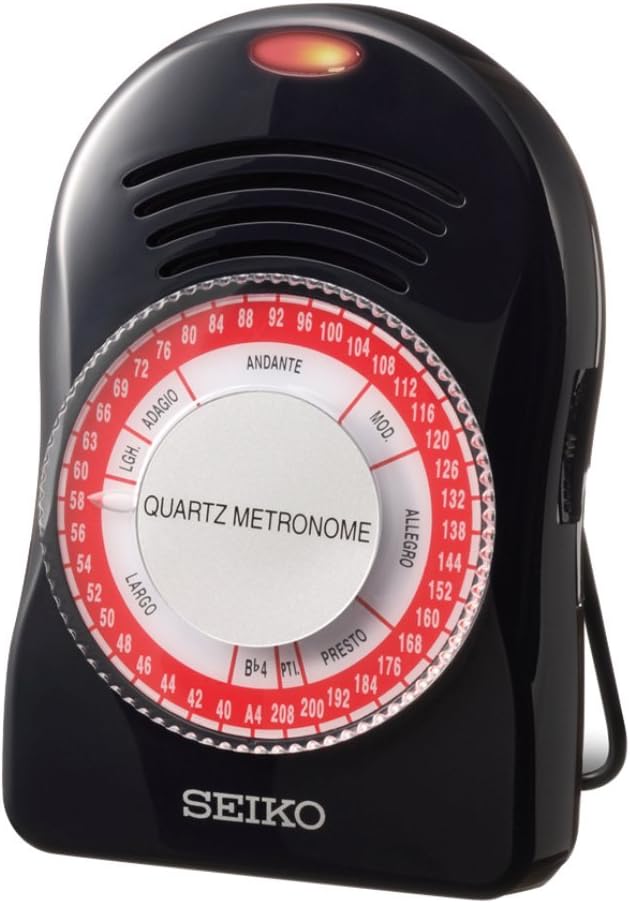
Seiko SQ50-V quartz metronome
If there’s one piece of guitar gear that all guitarists should own, it’s surely a metronome.
Whilst I generally use metronome apps, there is something nice about having a good physical metronome. They’re usually quicker to adjust and won’t run your phone battery down.
I’ve used Seiko metronomes for many years and I find them to be well built, low power consumption and good value:
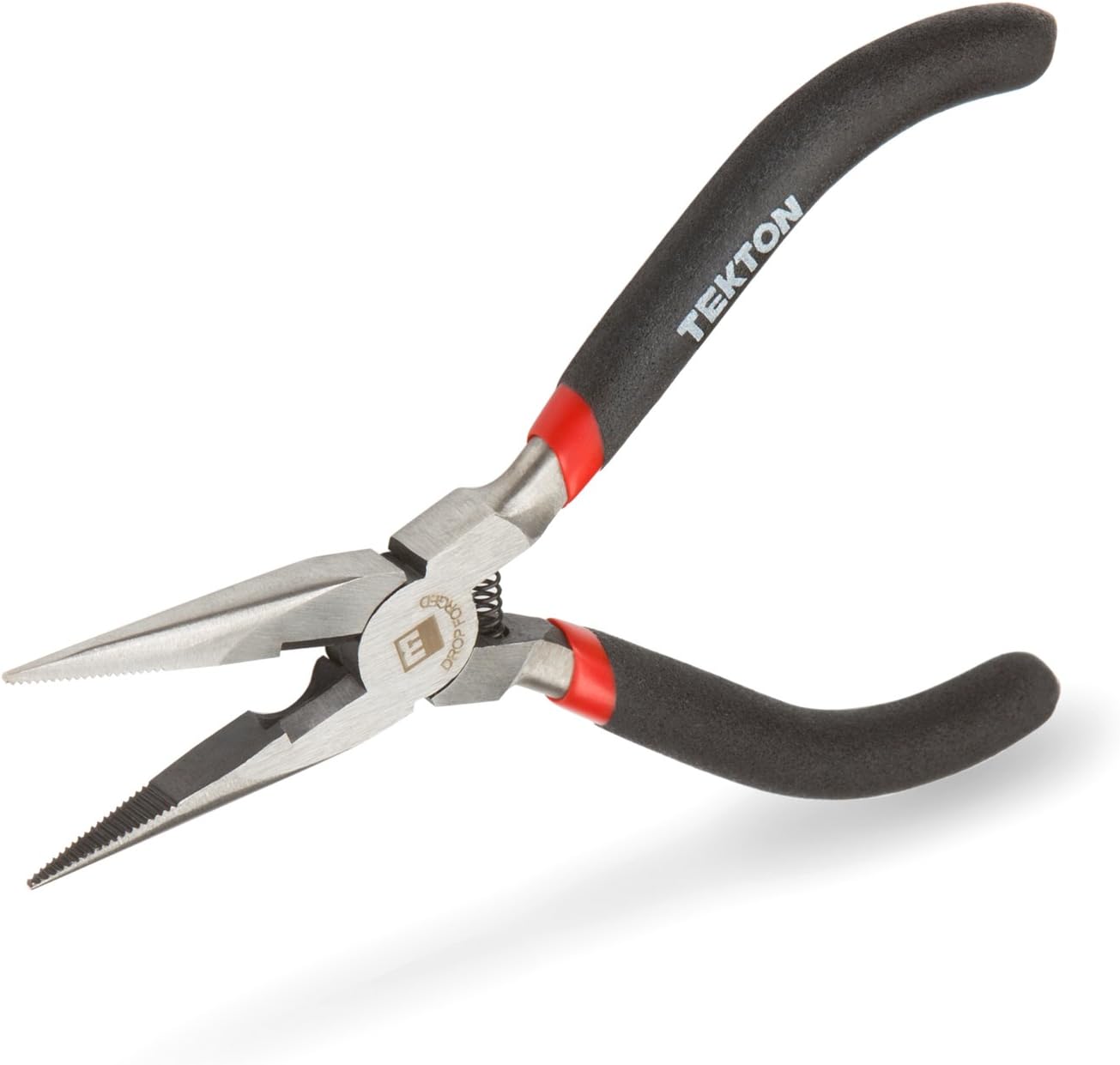
Mini pliers
A pair of mini pliers is an essential tool for changing guitar strings, and performing other minor repairs, and you should never be without one.
Any pair will do. I keep one in my gig bag and another in a drawer in my practice room:
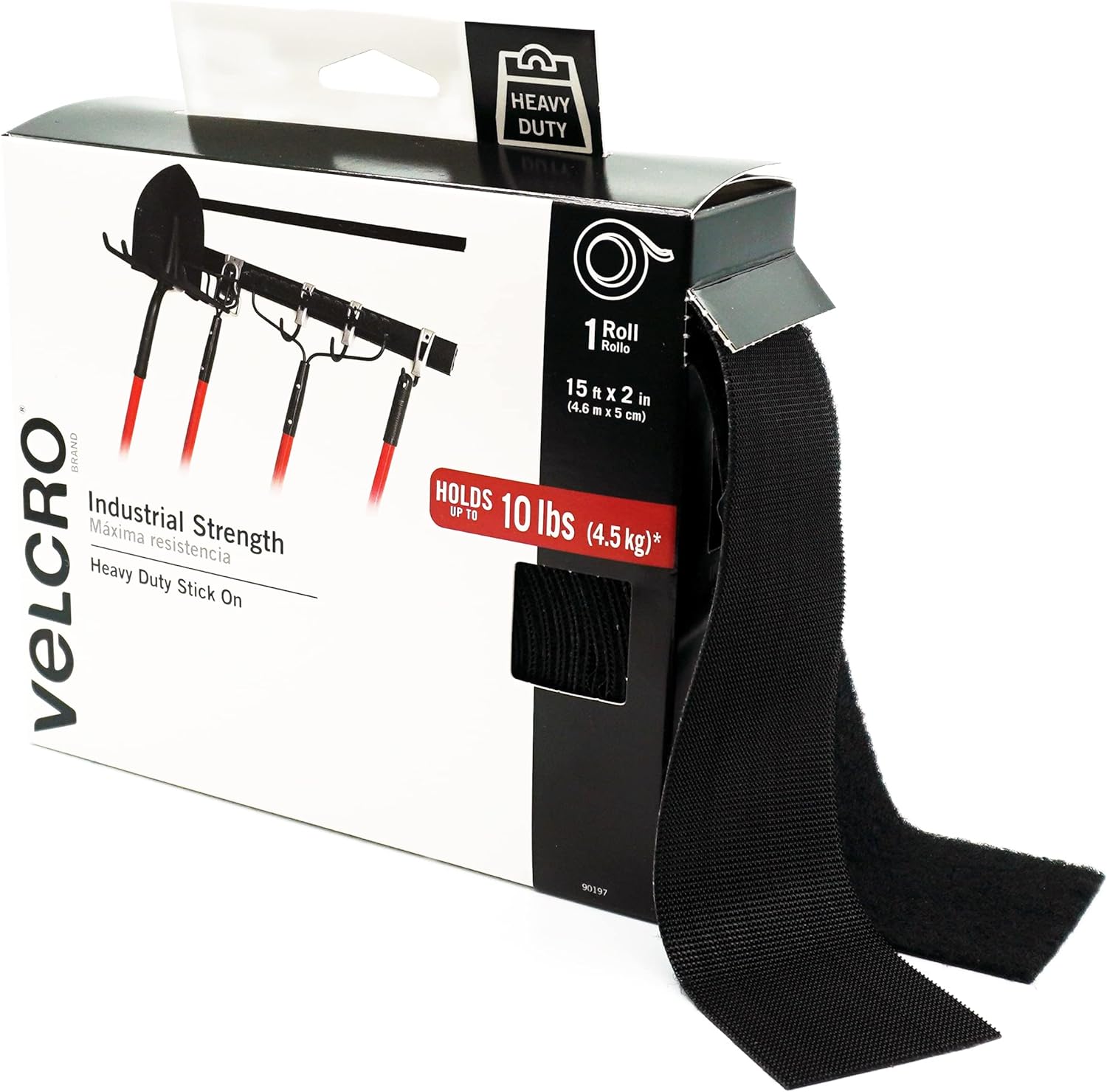
Heavy duty Velcro
Depending on how often you reorganise your pedalboard, you may need to buy extra Velcro. Don’t buy cheaper unbranded rolls; they won’t last. For fixing your guitar pedals securely you need high quality heavy duty Velcro.
This 50mm wide Velcro branded roll is the only one I use:
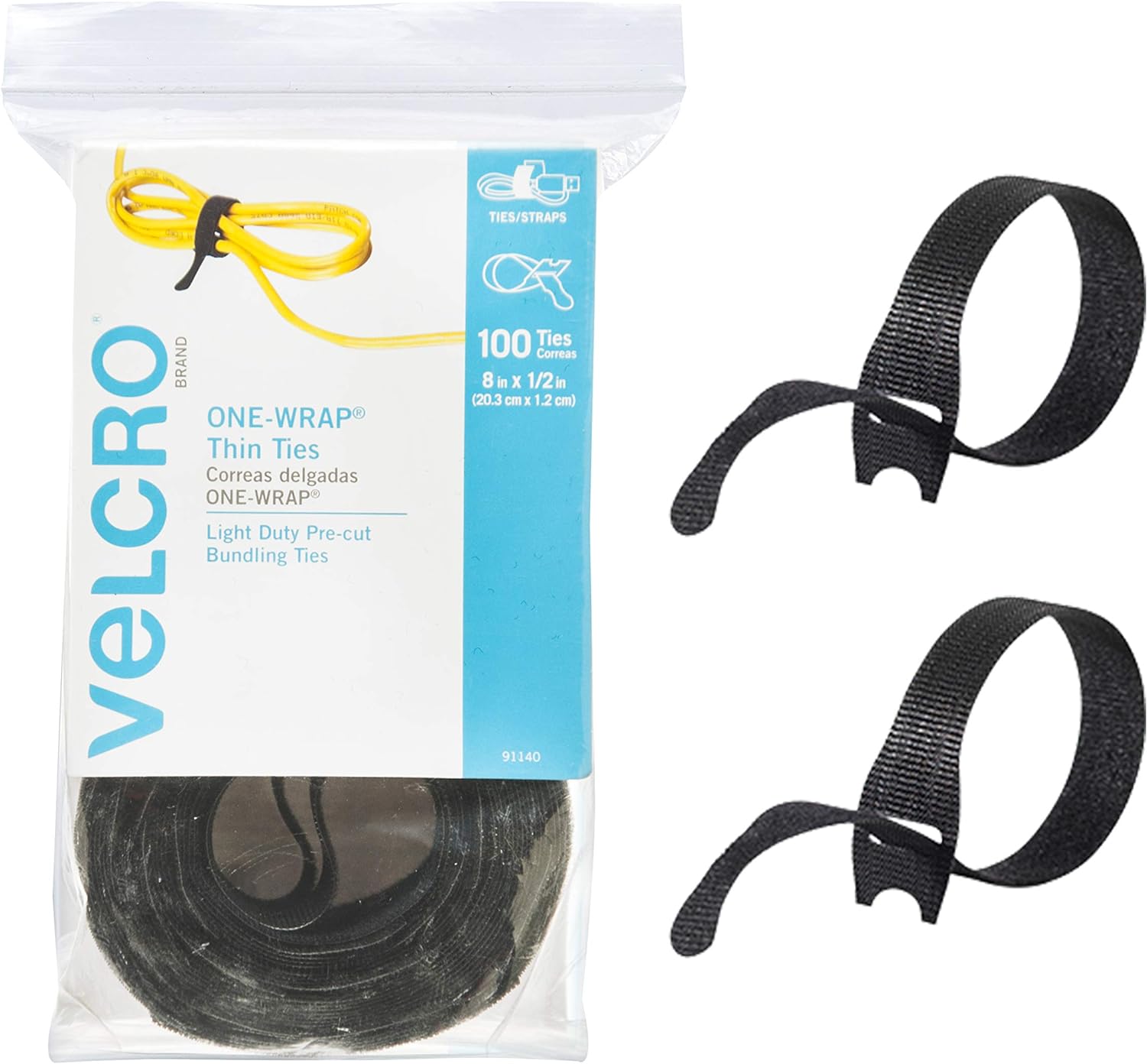
Velcro one wrap cable ties – roll of 100
These little cable ties are fantastic!
With a handful of these you can keep all your cables and leads beautifully tidy and wave goodbye to the tangled mess of cables on gigs or down the back of your desk forever!
I use them to keep cables tidy and neatly coiled all over the house including my phone charger and earphones:
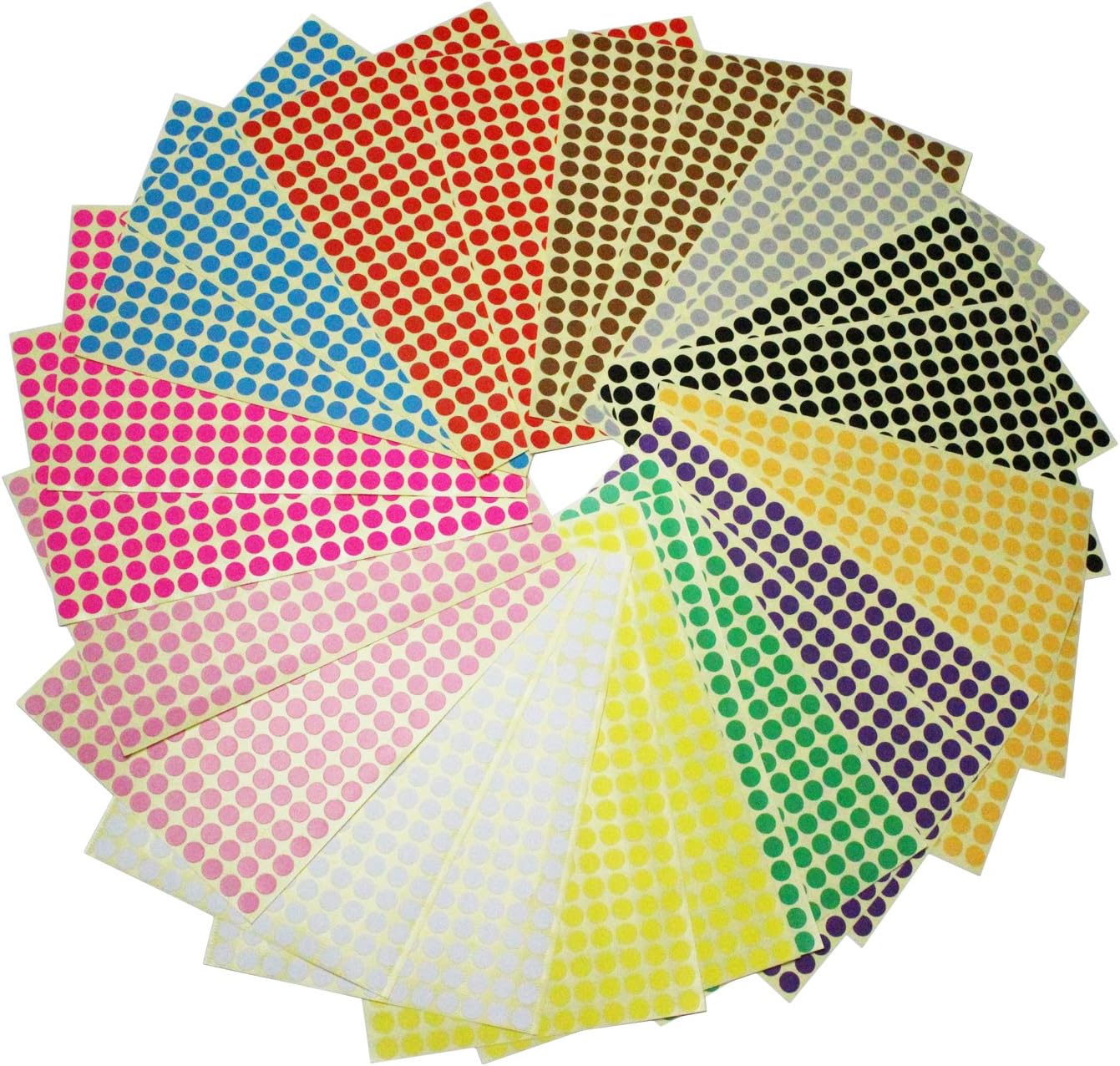
8mm Round Dot Stickers
Why in the world do I recommend coloured sticky dots…?
Because you can stick them on your pedals (and amp) to indicate your default dial settings. This way you don’t have to remember them or spend ages trying to rediscover your basic set-up.
Of course, you can always adjust things during a gig, but being able to instantly set your dials to a good basic sound is very handy and it saves precious time:
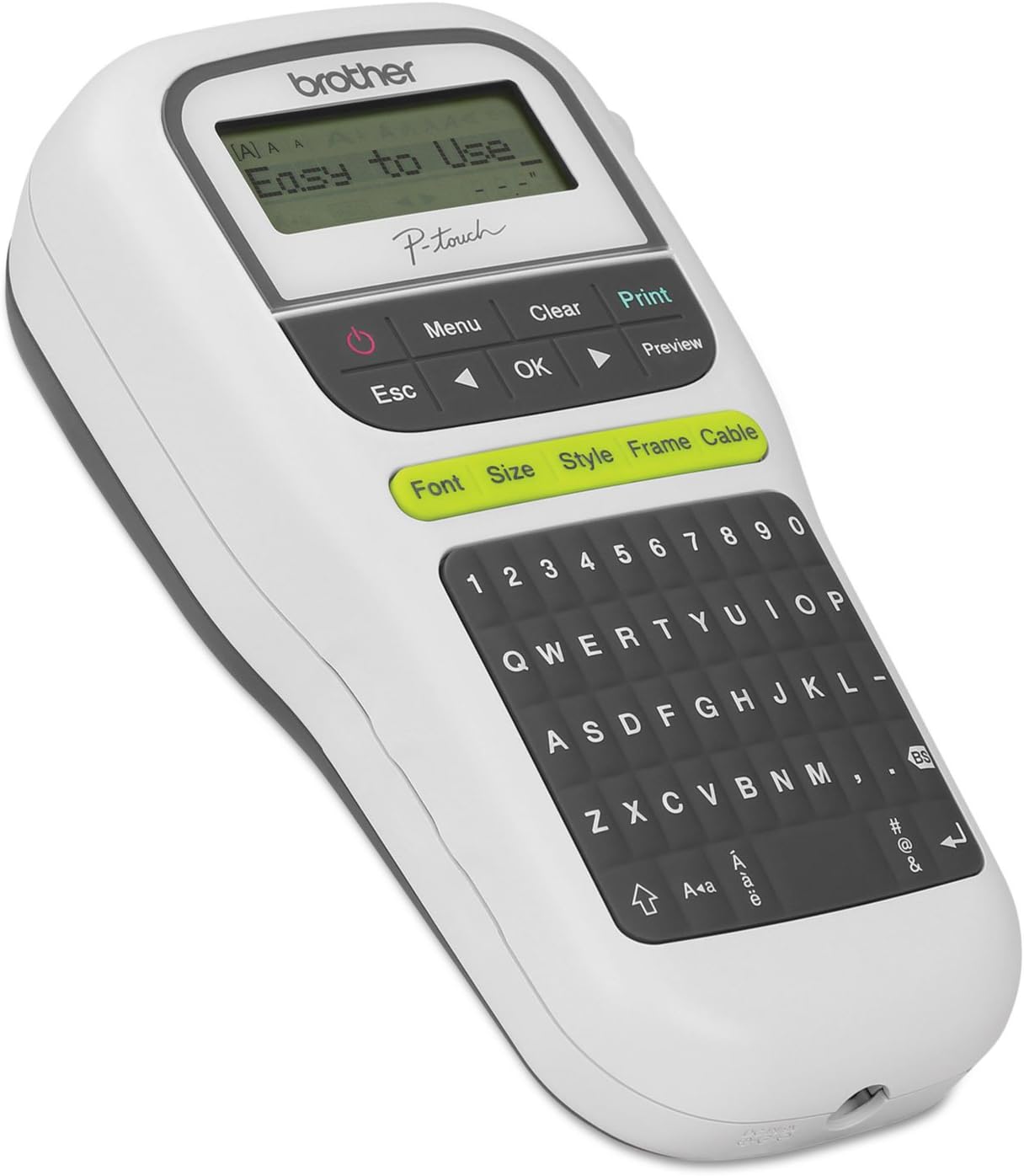
Brother PTH110 labelling machine
Why is a labelling machine on a list of recommended gear for guitarists?
1. To put your name on all your cables so they don’t get mistakenly picked up by someone else at gigs.
2. To label all those chargers, adaptors, hard drives, USB leads and plugs running all your equipment at home and on gigs.
This may seem a little thing but the more organised all your stuff is the less time you have to spend figuring out which cable is for what, and the less likely you are to lose an important cable.
A labelling machine is the kind of thing that, once you’ve got one, you’ll wonder how you ever managed without it:
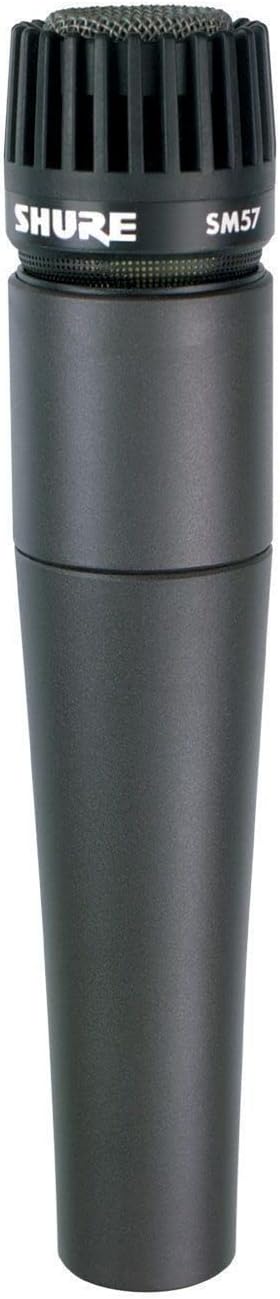
Shure SM57 microphone
As a gigging guitarist you’ve got to be able to mic up your amp. The Shure SM57 is widely considered the recommended industry standard.
Even if you’re working for a band that is supposed to be responsible for mics, bring yours anyway! One day you’ll be the hero that saves the day, and more likely to get hired again:
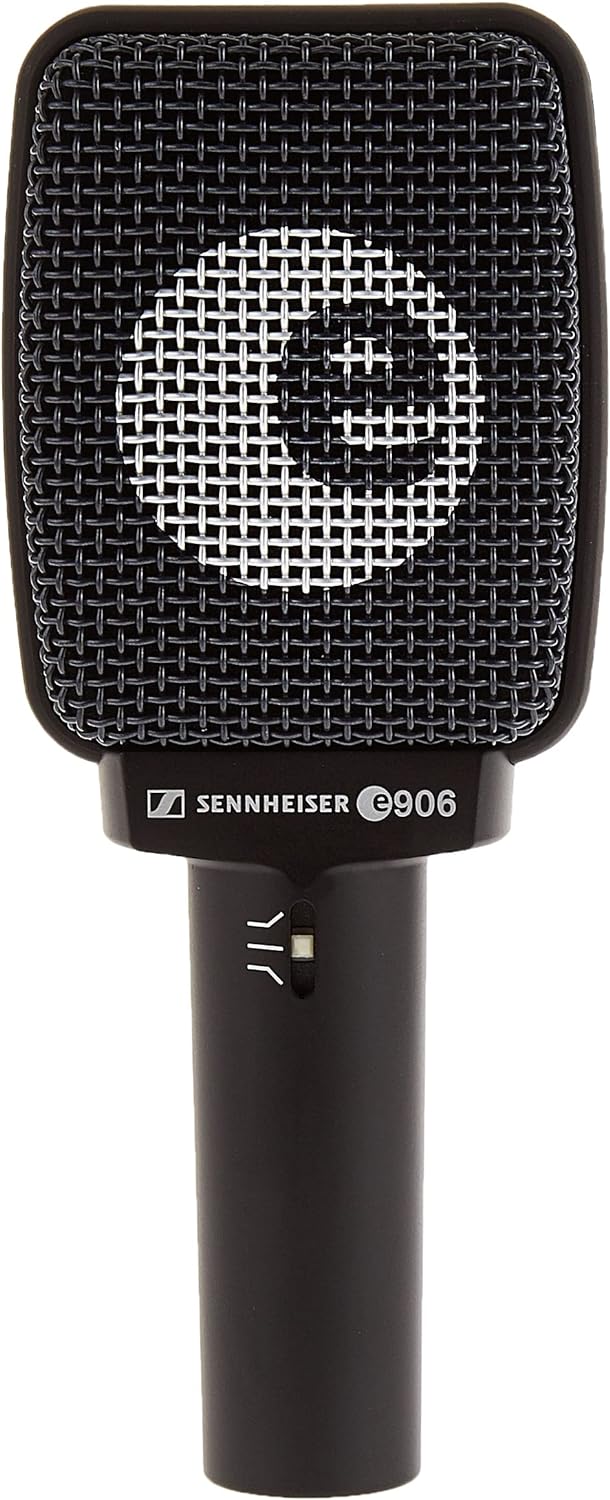
Sennheiser Pro Audio E906 Microphone
This is an alternative to the SM57. What’s great about this little mic is that you can just hang it off the top of your guitar amp, by the cable. No boom stand needed!
More expensive than an SM57 but so very convenient:
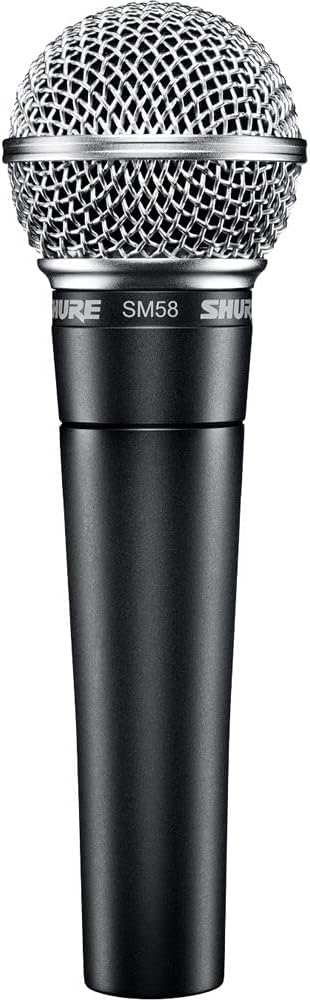
Shure SM58 microphone
This is an optional piece of recommended gear but, just as a gigging guitarist ought to have a good mic for their amp, it’s a good idea to also have a good vocal mic (unless of course you never do any vocals at all).
The SM58 is the recommended industry standard vocal mic for live gigs:
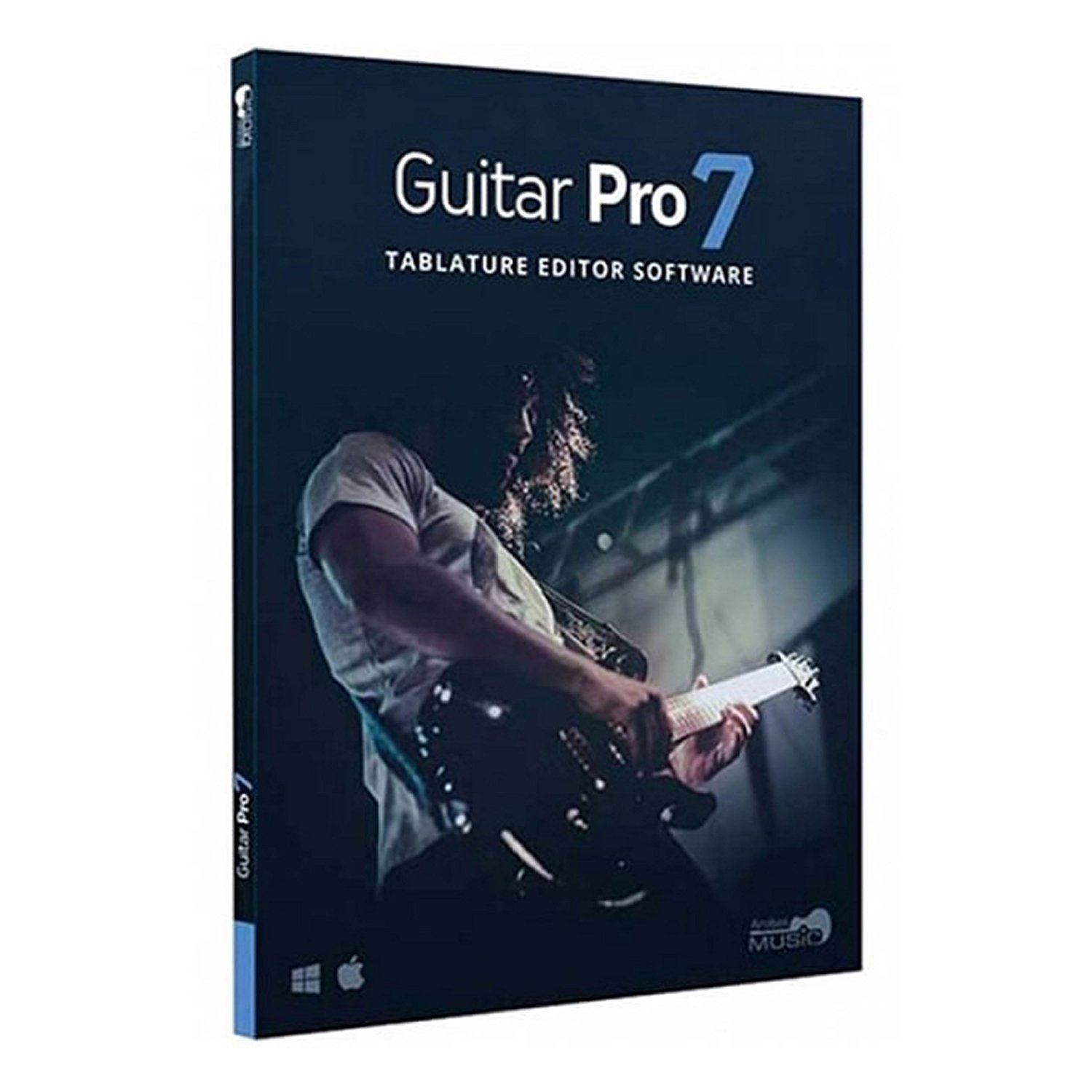
Guitar Pro – tab editing software
Guitar Pro is without a doubt the best guitar tab application there is.
If you want to produce beautiful guitar tabs of your own or to view tabs downloaded online, then I highly recommend Guitar Pro:
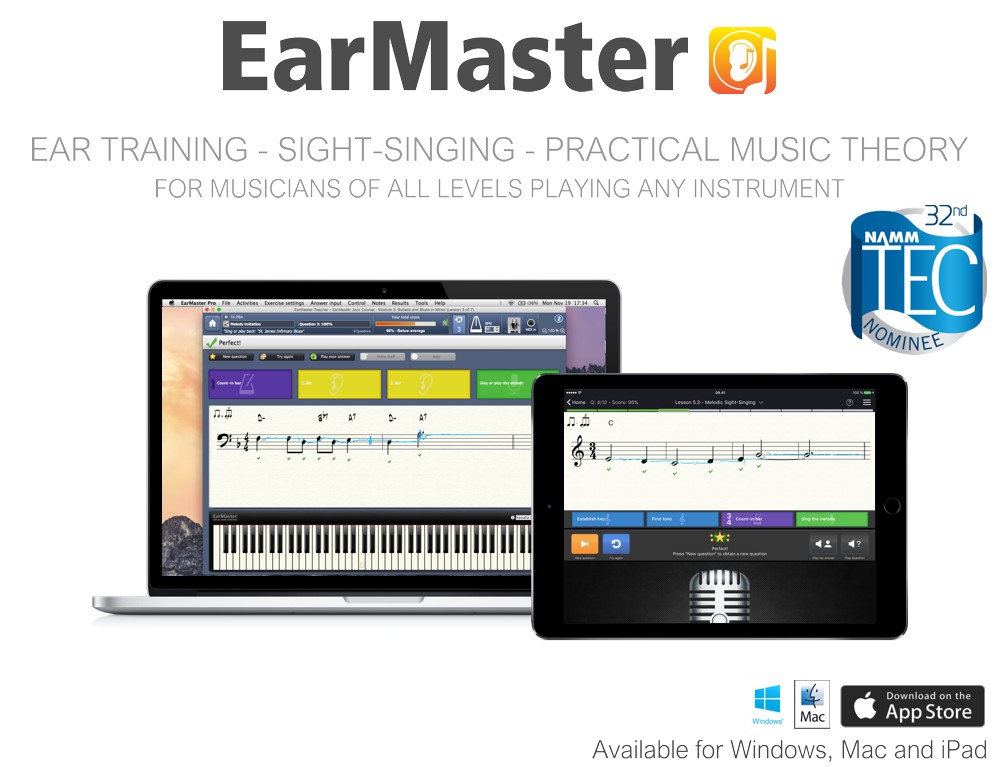
Earmaster – ear training software
Earmaster is a recommended piece of guitar gear that is for improving musicianship. It’s a marvellous application for PC or Mac.
It is a package of numerous different exercises including melodies, chord progressions, chord identification, rhythm training and more.
It’s excellent value for money and can only help you become a better musician, whatever style you play:
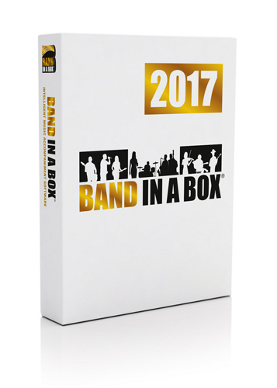
Band In A Box – backing track creator
Band In A Box is a great application that allows you to create backing tracks to use with your guitar practice.
What is so good about this application is the flexibility and speed with which you can create the backing tracks. It saves you countless hours that you would otherwise have to spend constructing backing tracks from scratch with conventional music software.
Less time spent creating backing tracks means more time practising guitar:
iRealPro – backing track creator
iRealPro is much like Band In A Box, though it’s slightly more geared towards jazz and not as user-friendly.
It is however much cheaper than Band In A Box, so if you’d like to keep costs down, try this instead:
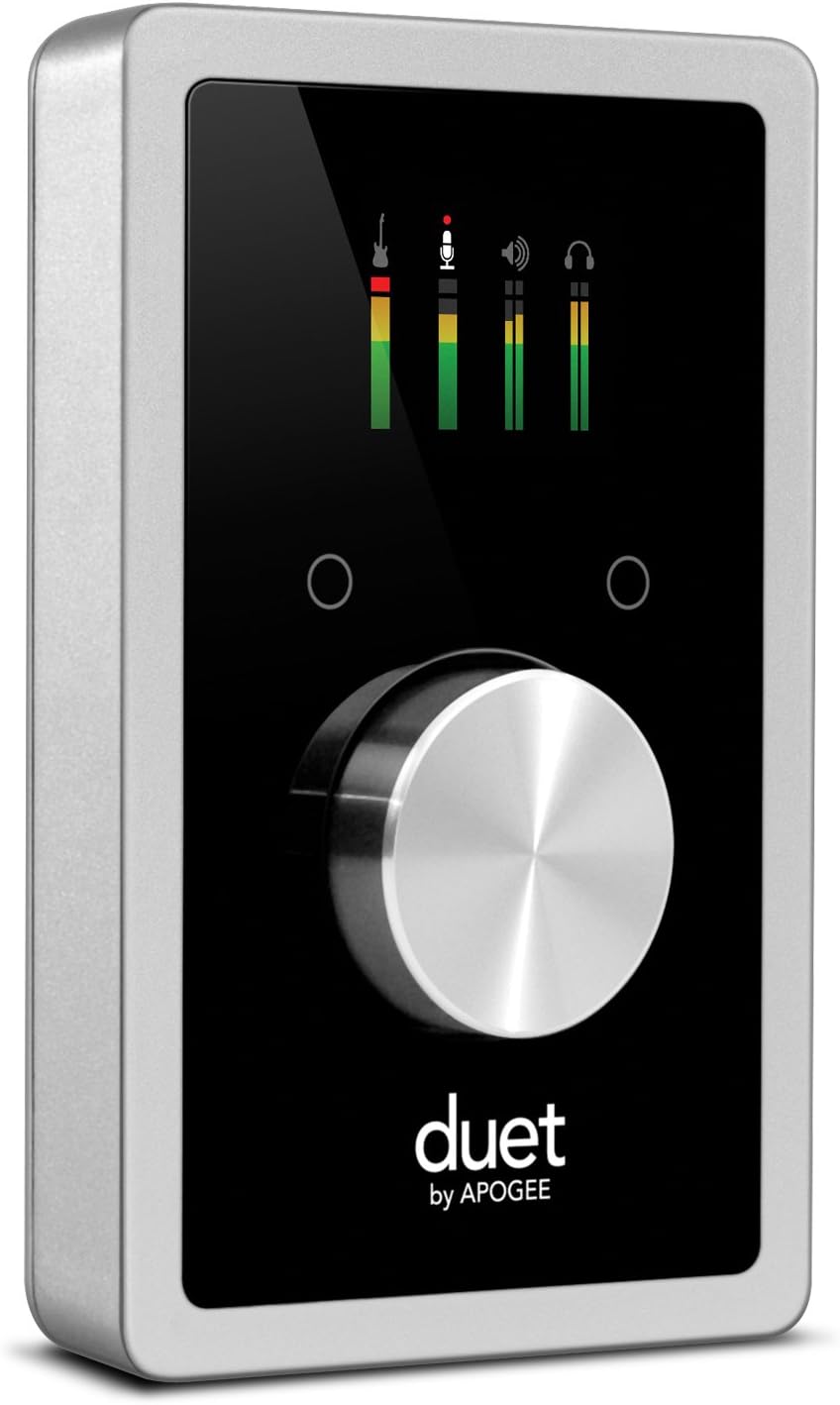
Apogee Duet – audio interface – Mac/iPad only!
To record guitar playing on your computer you need an audio interface. If you have a mac or iPad then I highly recommend the Apogee Duet. It’s simple, easy to use and very high quality.
It has two input channels (both accept XLR and jack), so you can record vocals and guitar at the same time. It has two output channels to go to your speakers, and a headphones socket:
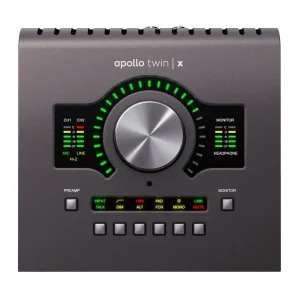
Universal Audio Apollo Twin X – audio interface
A more premium option than the Duet, this is a truly fantastic audio interface that comes with all manner of guitar plugins and amp modelling. It has two high quality inputs so you can have a mic set up and in use at the same time. It’s much more expensive than the Duet but far superior.
There are many other functions and settings with countless additional plugins available from the UA website:
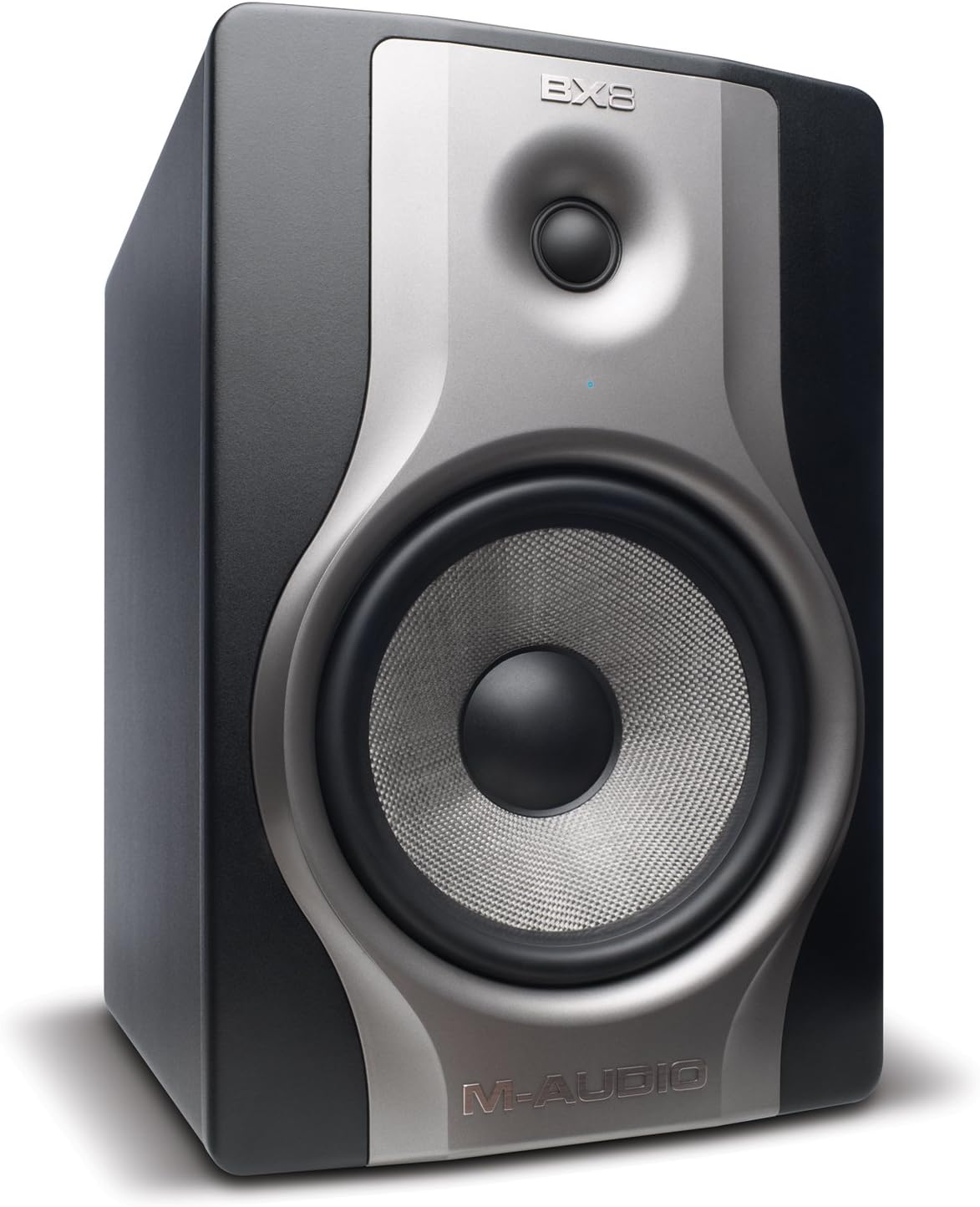
M-Audio BX8 monitors
If you’re going to be recording and mixing your guitar playing, you need a pair of monitors. This is the newer (and improved) version of the BX8 D2 monitors which I use.
As with all things, you can pay much more and get something better, but for a basic home recording set-up I recommend these:
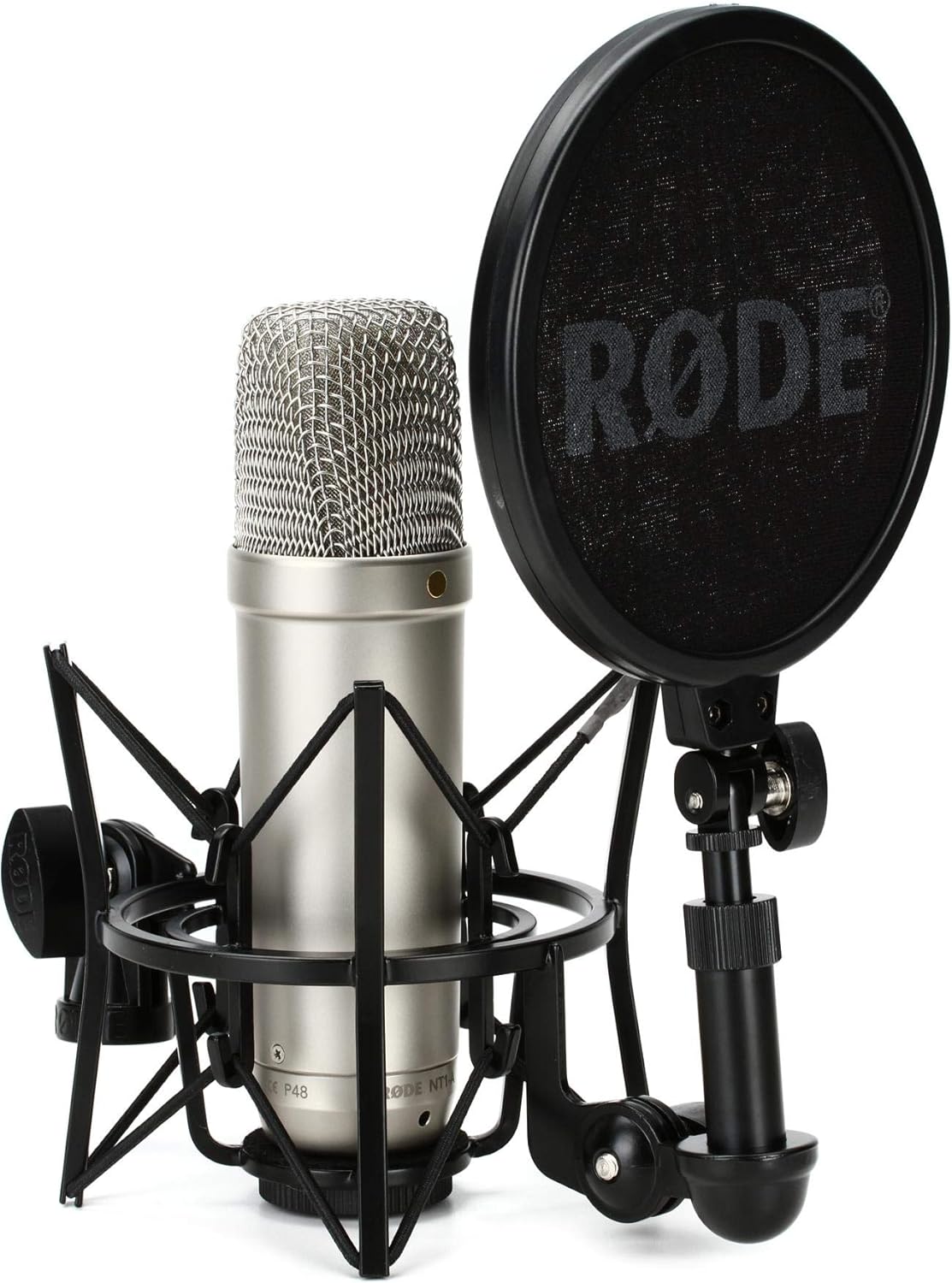
Rode NT1-A condenser microphone
Condenser microphones are ideal for home recording; whether it’s for a voice-over, a vocal track, or recording an acoustic guitar. They provide a richness and sparkle that you don’t typically get with dynamic microphones.
I recommend the Rode NT1-A. It’s the perfect low-cost option, and comes with pop-shield and shock mount:
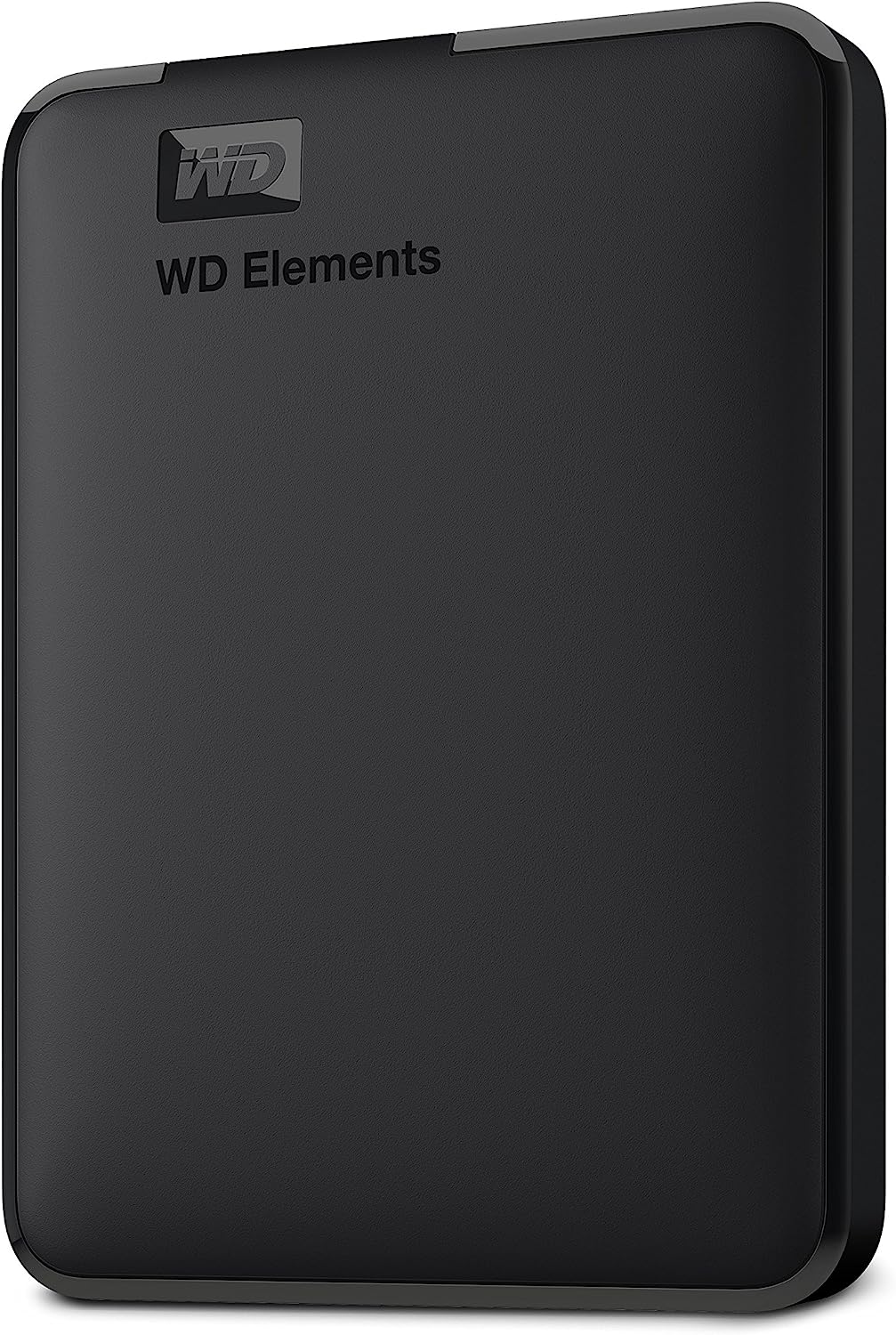
WD 5TB external hard drive
If you’re going to be recording or videoing your guitar playing, an external hard drive might be a necessary piece of gear for storing all your audio and video files. This keeps your computer’s main drive clear and your machine working efficiently.
I also recommend having two back-up drives: one to back-up your audio drive and one to back-up your main drive. These should be updated regularly and stored in a different location to your computer:
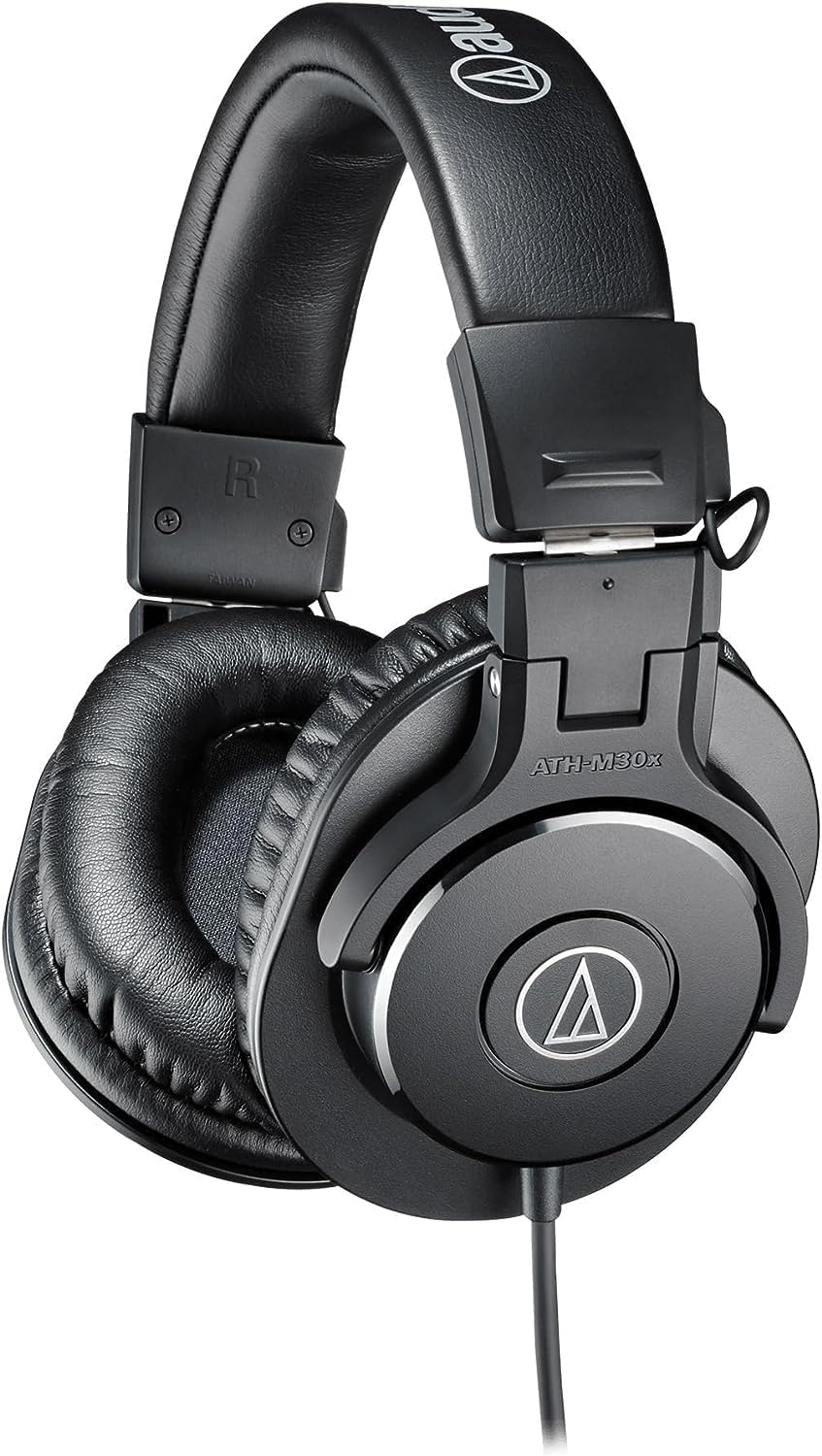
Audio Technica ATH-M30x headphones
Mixing is best done on speakers, but for accurate recording, headphones are an essential piece of gear for guitarists. In addition to avoiding bleed from speakers, headphones allow you to work on audio late into the night without disturbing those around you.
As with speakers, you can pay enormous sums of money for headphones. But for a relatively low cost set, I can’t recommend these enough:
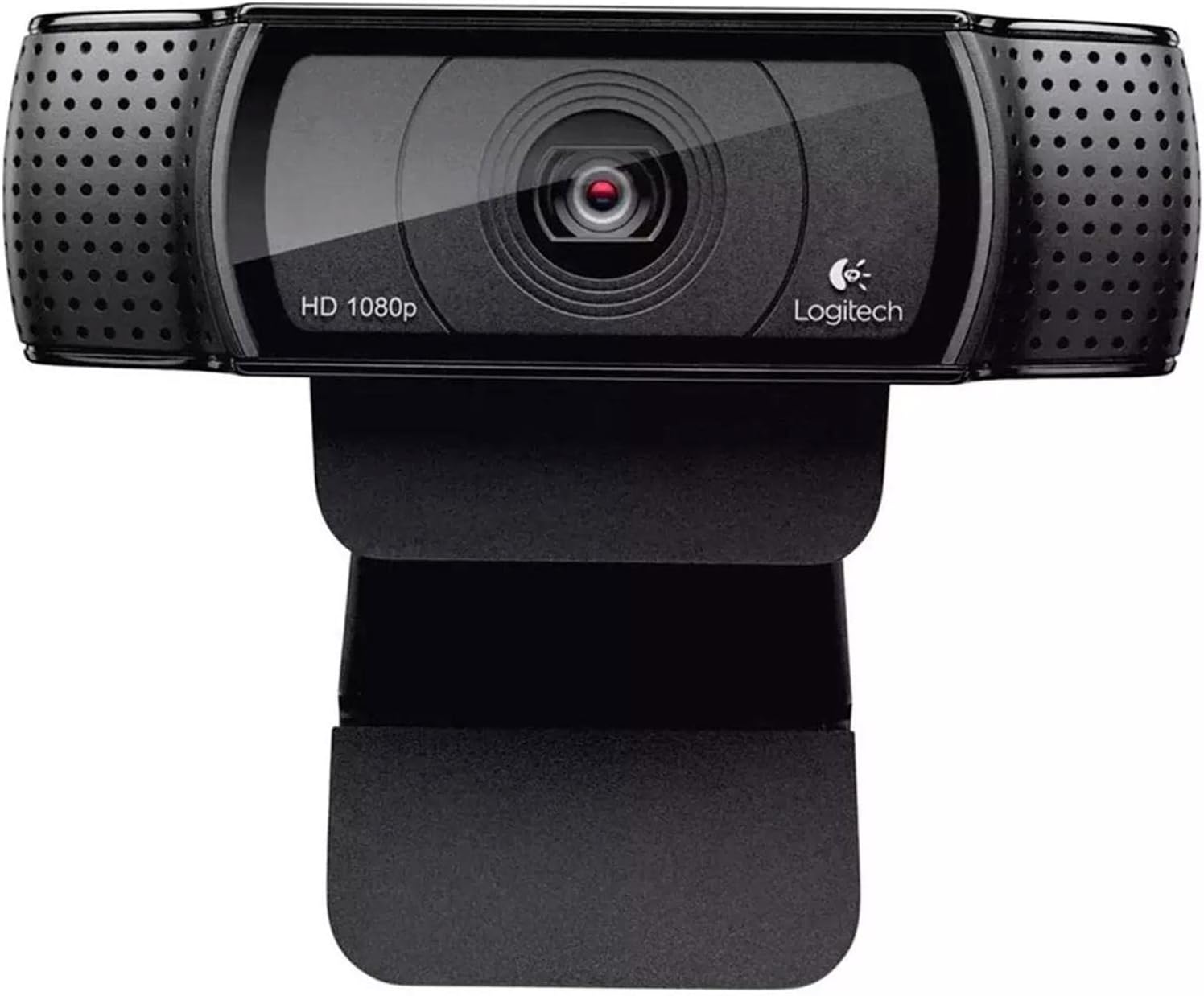
Logitech HD Pro webcam C920
A good webcam is definitely recommended gear for guitarists that want to start their own Youtube channel.
I recommend the Logitech C920, which is simply superb. It’s more expensive than your average webcam but it produces stunning high definition video with clear crisp colours. To see for yourself just take a look at the guitar videos on my Youtube channel which were all filmed with it:
Some links on this page are affiliate links: if you buy through them, I earn a small commission at no cost to you.